From Soul Cakes to Candy Corn: A Culinary History of Halloween
HalloweenHalloween began as Samhain, a Gaelic festival marking the end of the summer harvest and the start of the dark half of the year. Ancient Celts believed that on the night of October 31st, the boundary between the living and the dead thinned, allowing spirits to cross over into the physical world. Food played a central role in these observances, used both as an offering to pacify wandering souls and as a practical centerpiece for communal autumn feasts.
As Christianity expanded across Europe, Samhain was reframed as All Hallows' Eve, leading into All Saints' Day and All Souls' Day. This religious synthesis gave rise to souling, a practice where poor villagers and children went door to door collecting baked goods in exchange for prayers for the deceased. Over centuries, these solemn customs transformed into indoor parlour games for predicting marriage and wealth, before finally crossing the Atlantic to become the commercial holiday celebrated today.
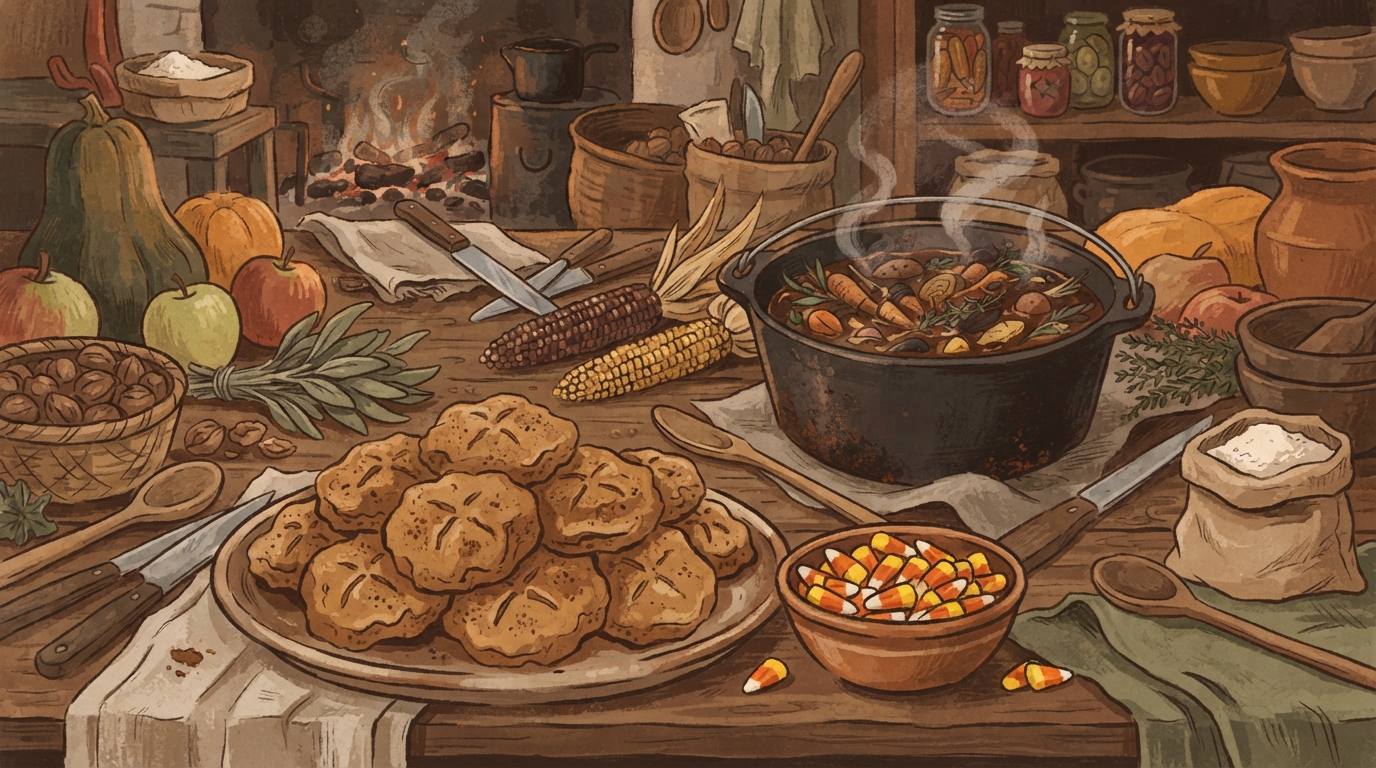
The history of Halloween food maps this gradual transition from ritual sustenance to playfulness and sugar. Looking at the traditional foods of the night reveals how simple orchard crops and grain cakes evolved into the modern candy bowl.
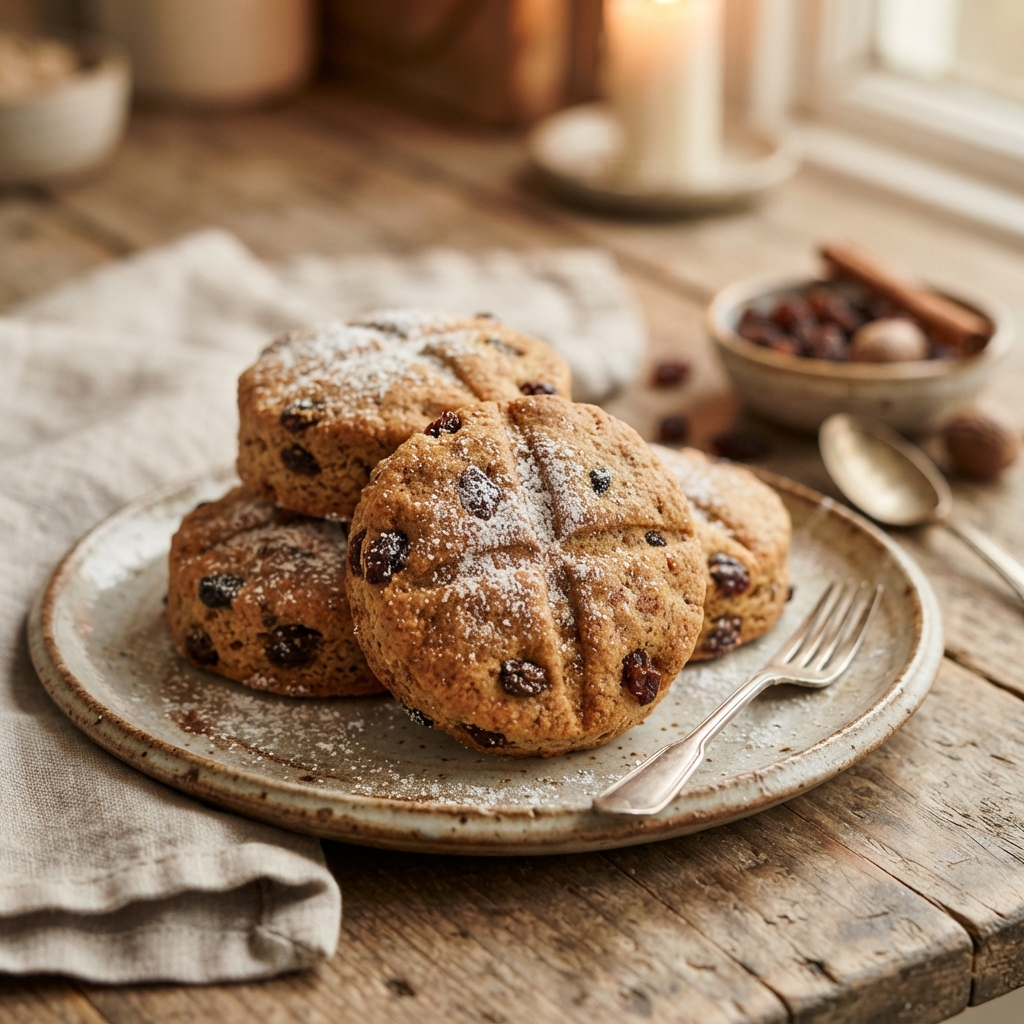
Distributed during Allhallowtide in medieval Britain and Ireland, these small, spiced round cakes were given to singers who prayed for the dead. Made with oats or wheat flour and flavored with nutmeg, cinnamon, and raisins, they were often marked with a cross on top. They represent the earliest direct ancestor of modern trick-or-treating treats.
2. Colcannon
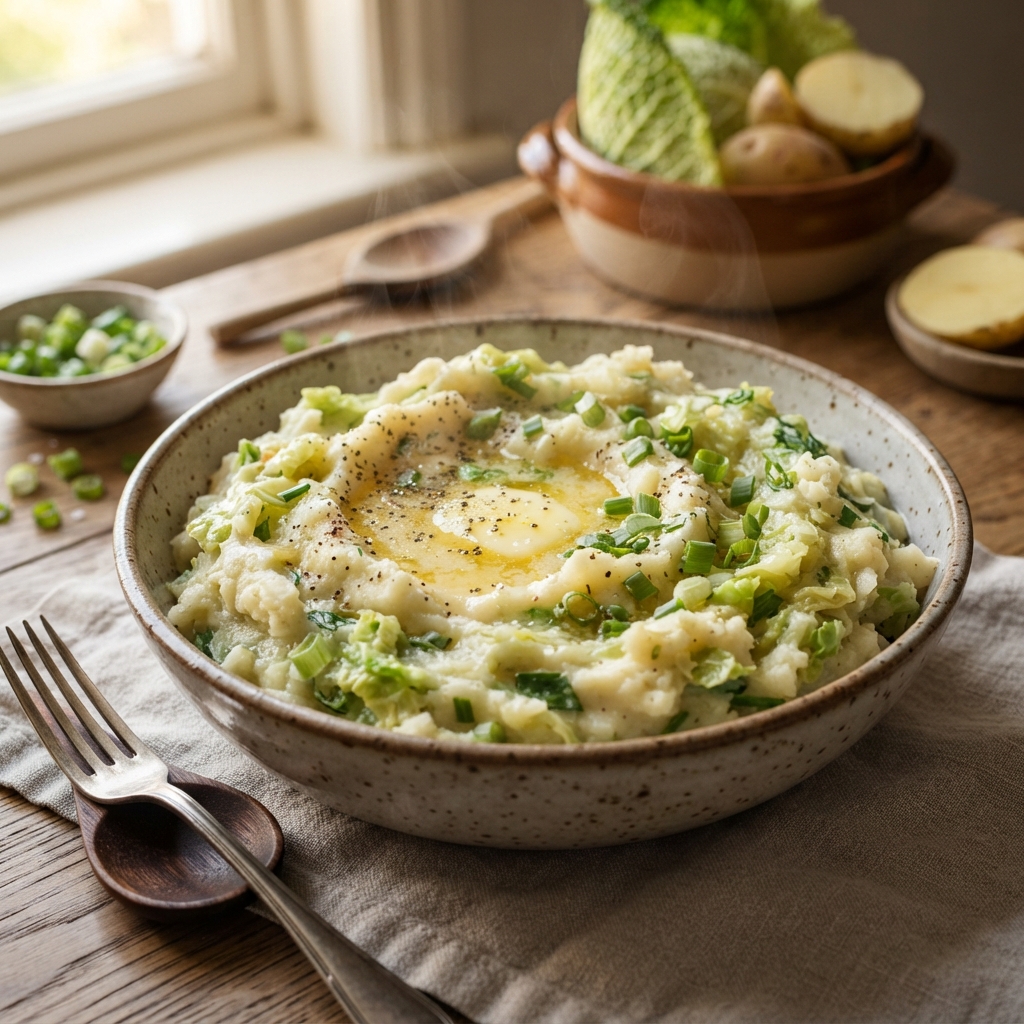
This Irish mash of potatoes, kale or cabbage, and butter was a staple of October 31st suppers long before pumpkins arrived in Europe. Charms such as coins, thimbles, or rings were hidden inside the dish to predict the fortunes of those who found them at the dinner table. It bridged the practical need for a hearty harvest meal with the evening's tradition of divination.
3. Barmbrack
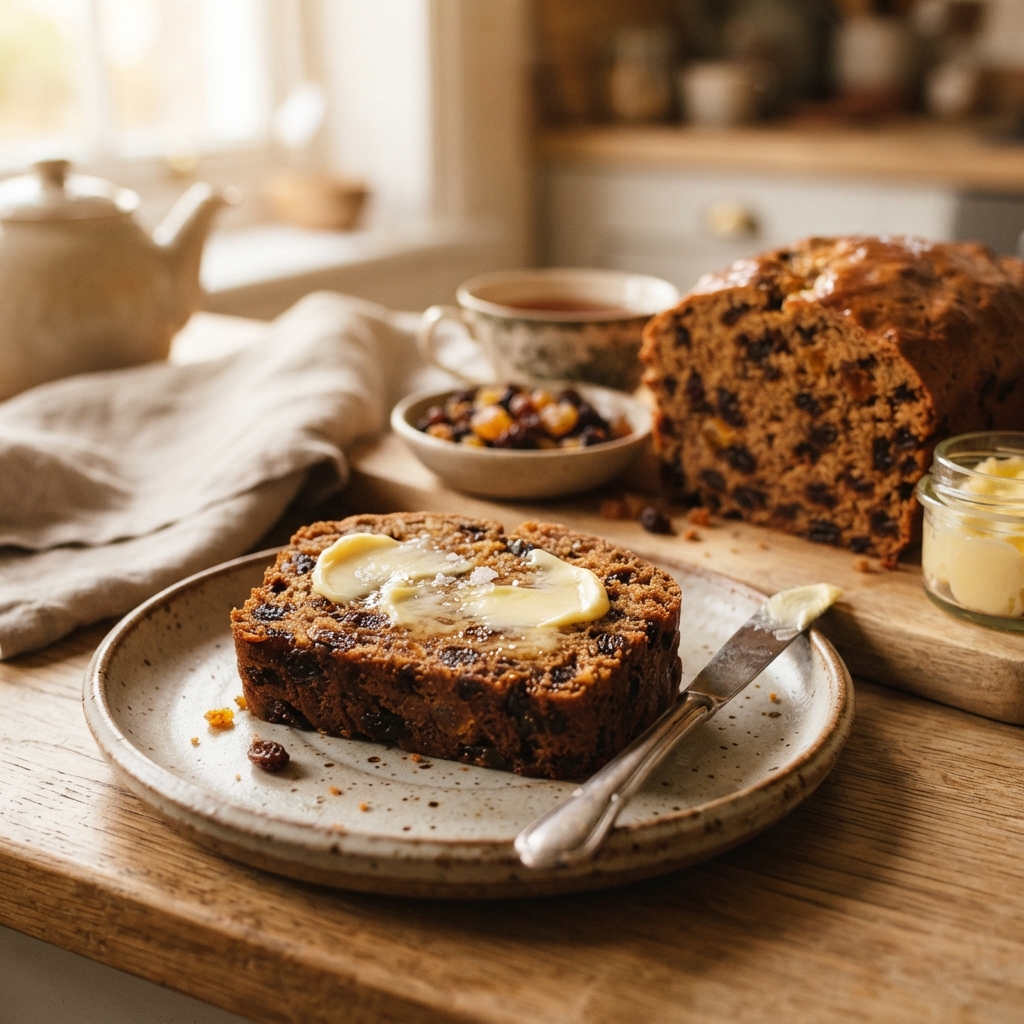
A yeasted Irish fruit bread soaked in tea and spiced with cinnamon, barmbrack was central to Halloween night gatherings in the eighteenth and nineteenth centuries. Like colcannon, it baked symbolic objects into the loaf to foretell whether a guest would marry, gain wealth, or face bad luck in the coming year. It remains one of Ireland's most enduring culinary traditions.
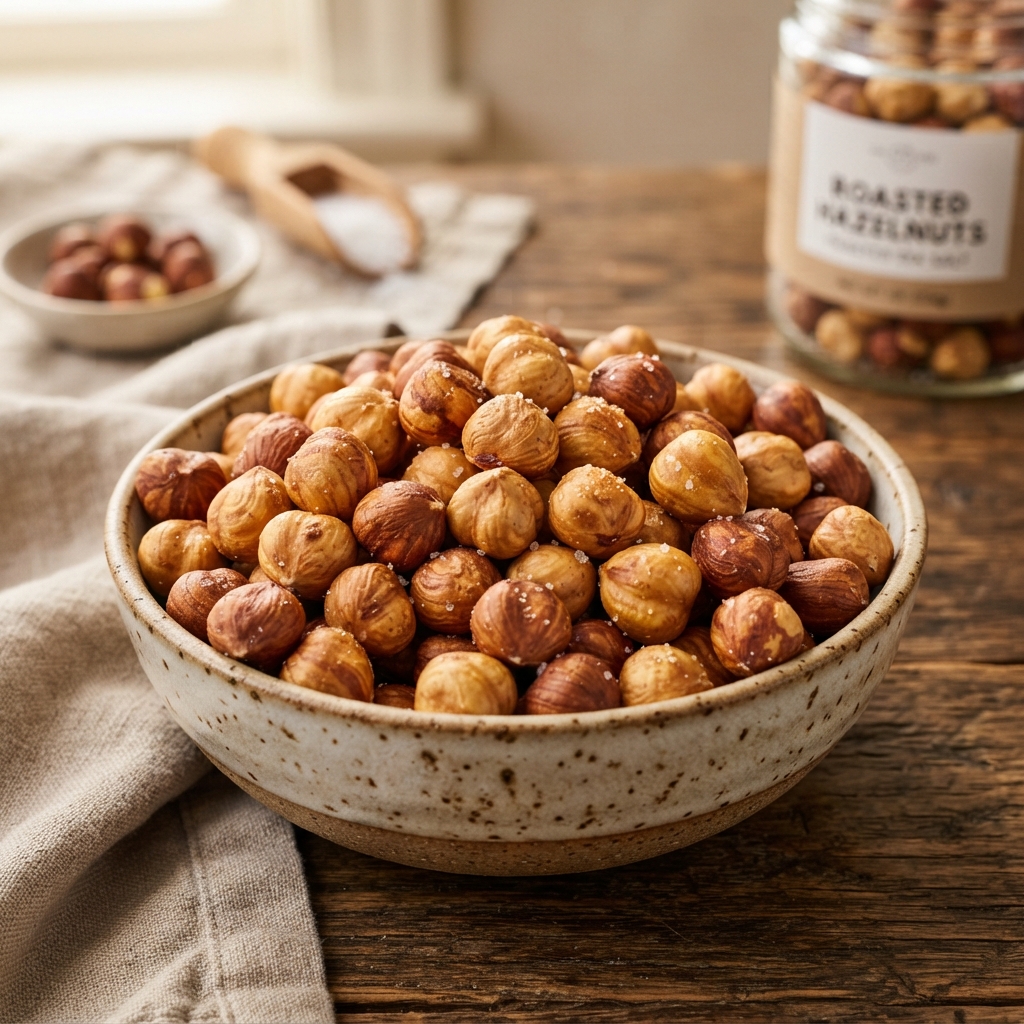
In parts of England and Scotland, Halloween was once known as Nutcrack Night because nuts played a central role in romantic divinations. Young couples would place nuts side by side in the fireplace embers to see if they burned together quietly or popped apart in a spark. Afterwards, the toasted nuts were eaten as a simple harvest snack.
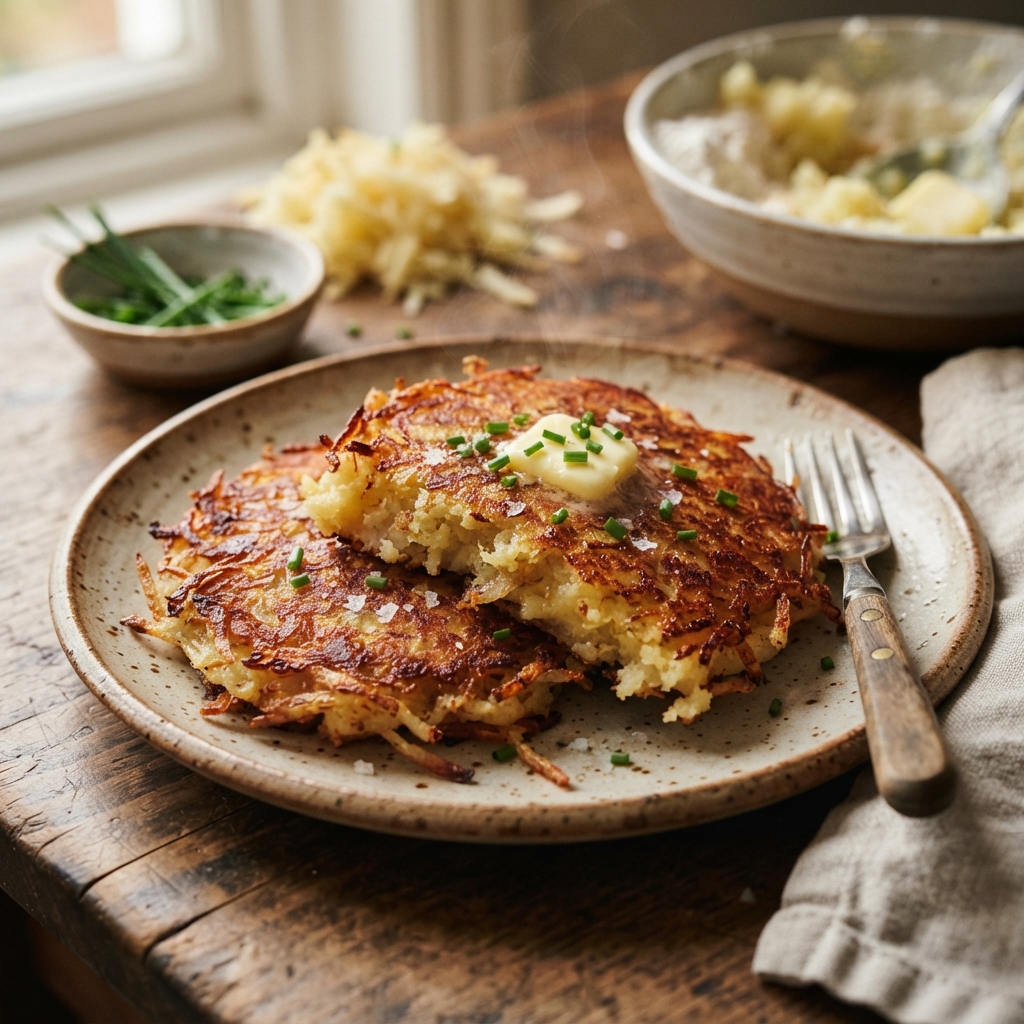
5. Boxty
A traditional Irish potato pancake made from a mix of grated raw potato and mashed boiled potato, boxty was widely eaten on the eve of Samhain. It was inexpensive, filling, and utilized the fresh potato crop gathered during the late autumn harvest. A popular folk rhyme even tied a young woman's marriage prospects to her ability to make the dish well.
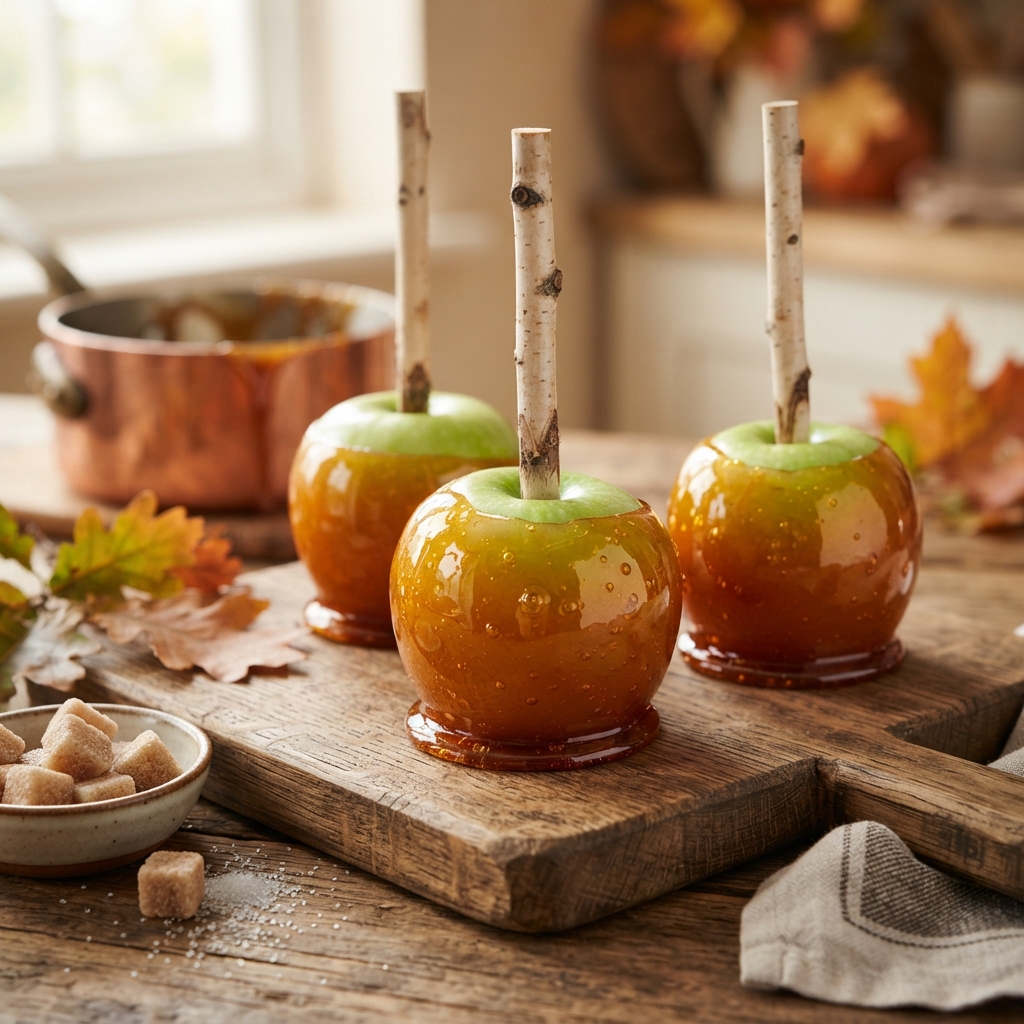
As sugar became cheaper and apples reached peak harvest in late autumn, coating raw fruit on a stick in hard-boiled sugar syrup became popular in Great Britain and North America. The crisp, tart apple balanced the intense sweetness of the hardened sugar shell. They were a fixture of early twentieth-century carnival stalls and home Halloween parties.
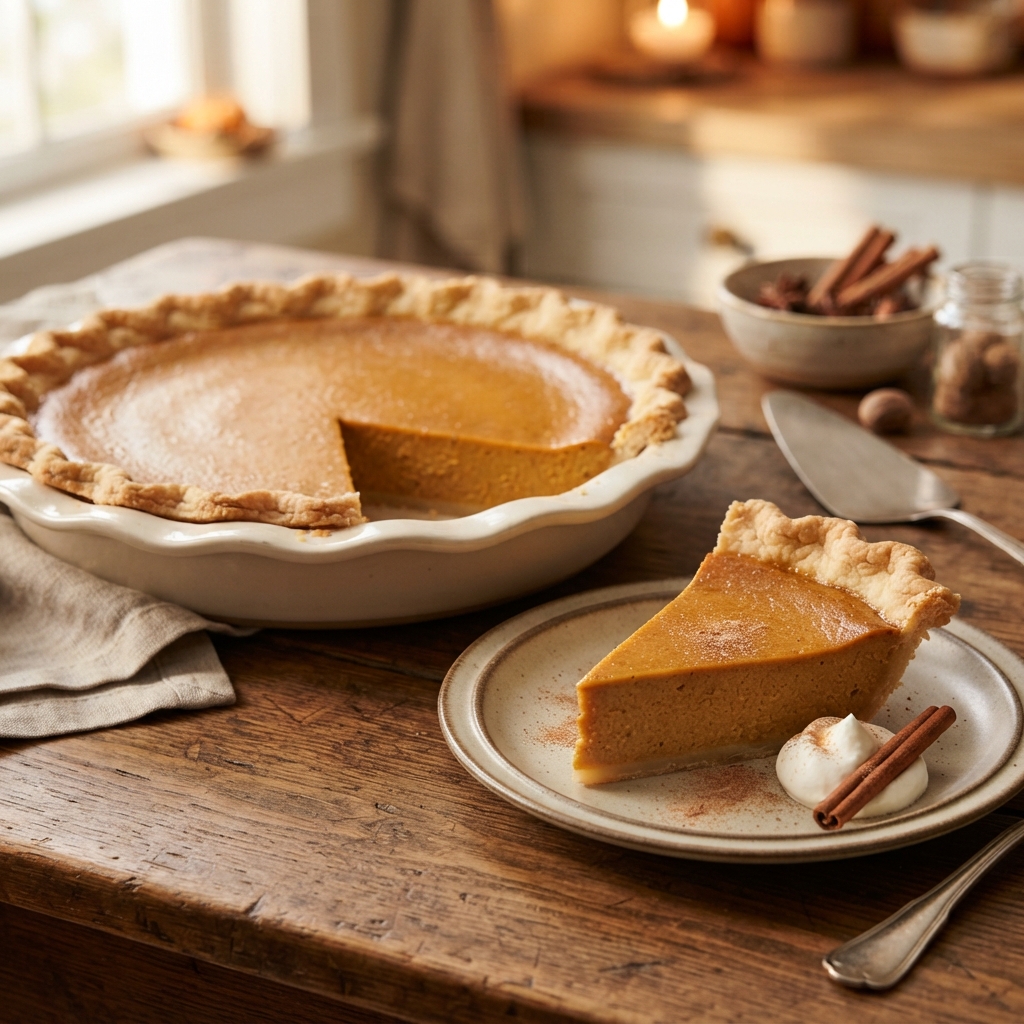
7. Pumpkin pie
Native to North America, winter squash was adopted quickly by early European settlers, who hollowed them out, filled them with spiced milk, and baked them directly in hot ash. By the nineteenth century, smooth pumpkin custard baked in a pastry crust had become a defining dish of autumn gatherings, including Halloween. It solidified the pumpkin as the primary culinary symbol of the late-autumn season.
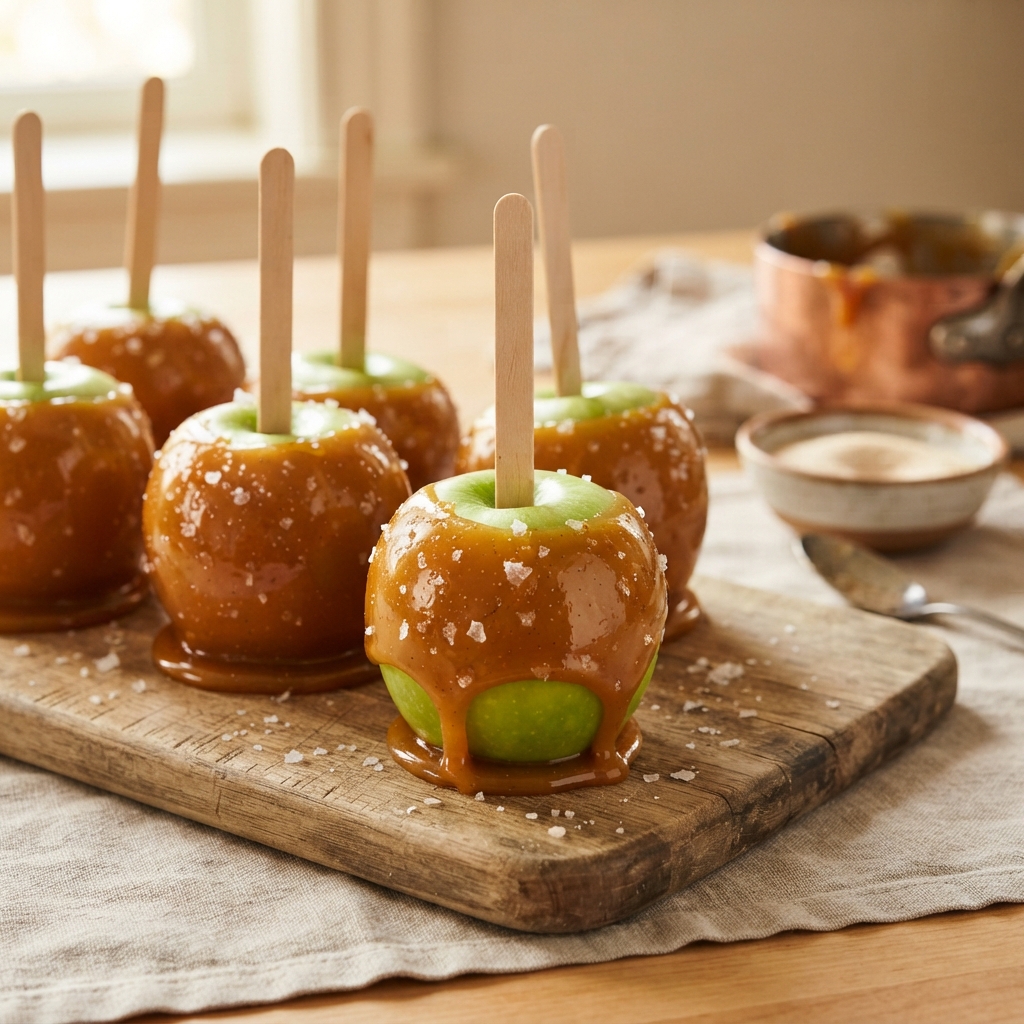
Introduced in the mid-twentieth century, caramel apples provided a softer, chewier alternative to the traditional hard-toffee coating. Developed by confectionery workers experimenting with melted caramels after the harvest season, they quickly gained popularity across North America. Their arrival marked the shifting focus of Halloween from home-baked goods to manufactured sugar confections.
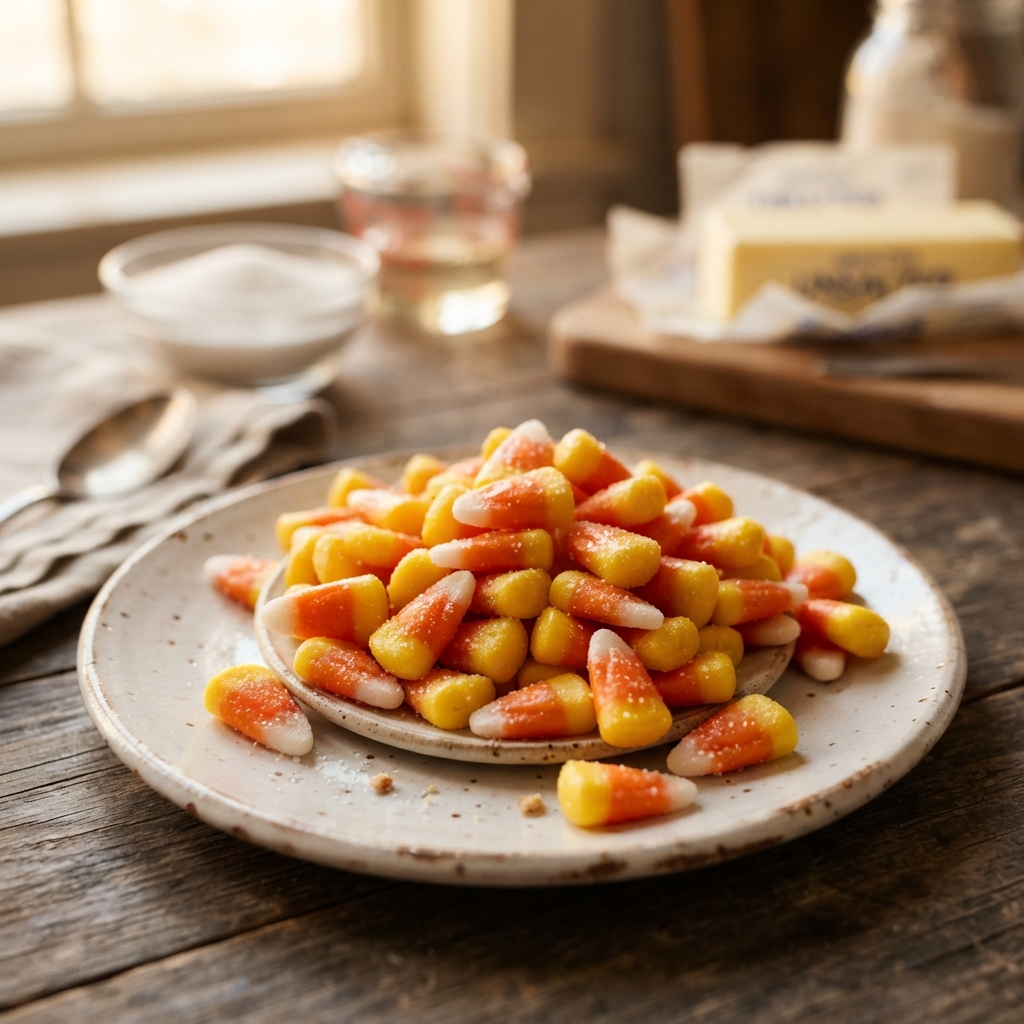
9. Candy corn
Created in the late nineteenth century, this tri-colored buttercream candy was originally called Chicken Feed to appeal to rural, agrarian communities. Early industrial molding allowed for its mass production, making it a fixture of autumn festivals by the 1920s. Today, it stands as one of the oldest commercially manufactured sweets continuously sold for the holiday.
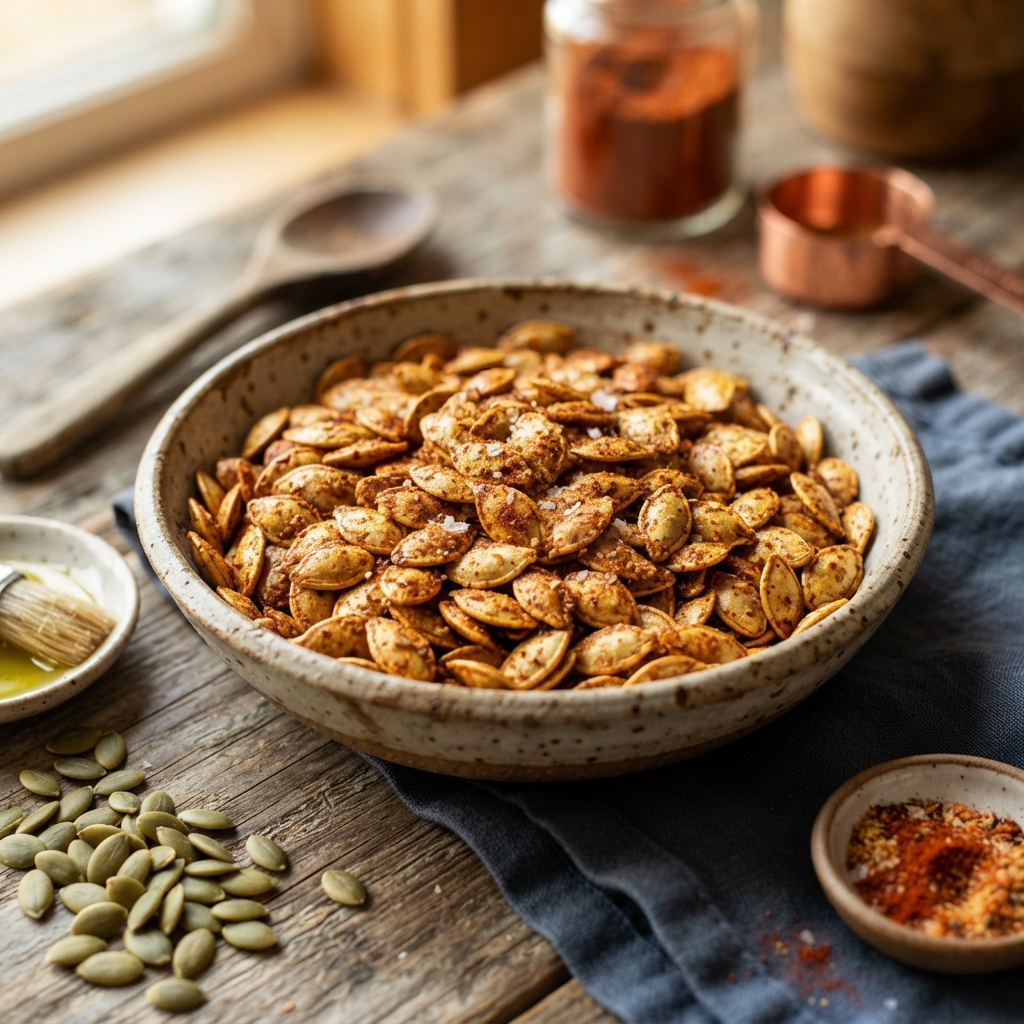
As jack-o'-lantern carving transitioned from turnips to pumpkins in nineteenth-century America, cooks minimized waste by salting and roasting the extracted seeds. Simple and nutritious, they provided a savory contrast to the growing abundance of sweet treats associated with the night. They remain a practical byproduct of the night's main decorative tradition.
These dishes show how Halloween food moved from practical harvest cooking and solemn spiritual offerings to playful parlour games and commercial sweets. While the context shifted from surviving the coming winter to gathering treats around the neighborhood, the base ingredients—apples, grains, root vegetables, and spices—have remained remarkably consistent for centuries. Preparing them today is less about predicting the future and more about connecting with a long culinary timeline.
Open Crave It!