Ten Dishes That Define Global Flavor Profiles
Recipe IdeasNational cuisines are built around specific flavor foundations—a particular mix of fat, acid, aromatics, and spices. Understanding these signature combinations is the fastest way to broaden how you cook at home.
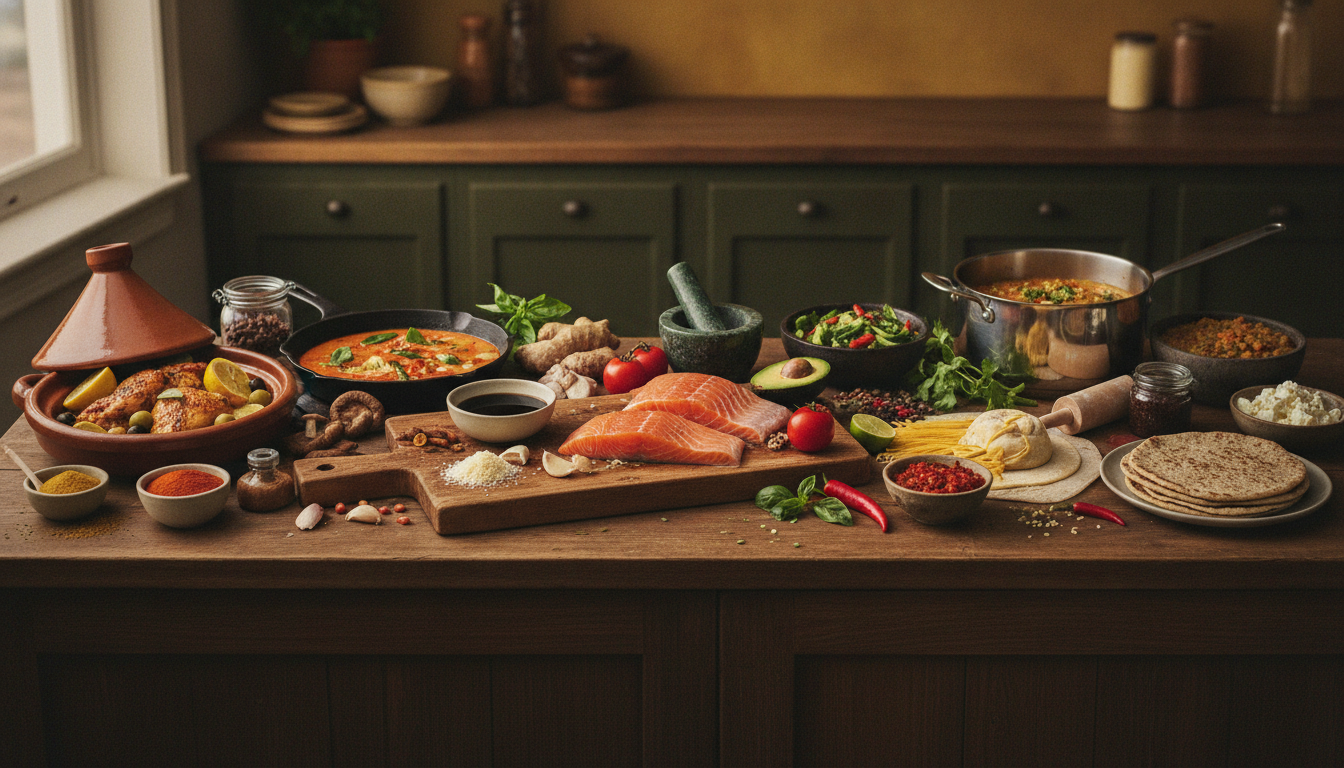
Crossing borders through cooking does not require rare technique so much as an appreciation for how different cultures solve the same core problem: making simple ingredients taste remarkable. Every region relies on a distinct balance of heat, earthiness, fermentation, or brightness.
These ten dishes represent foundational flavor blueprints from across the globe. Each one teaches a fundamental culinary logic that you can carry into other meals.
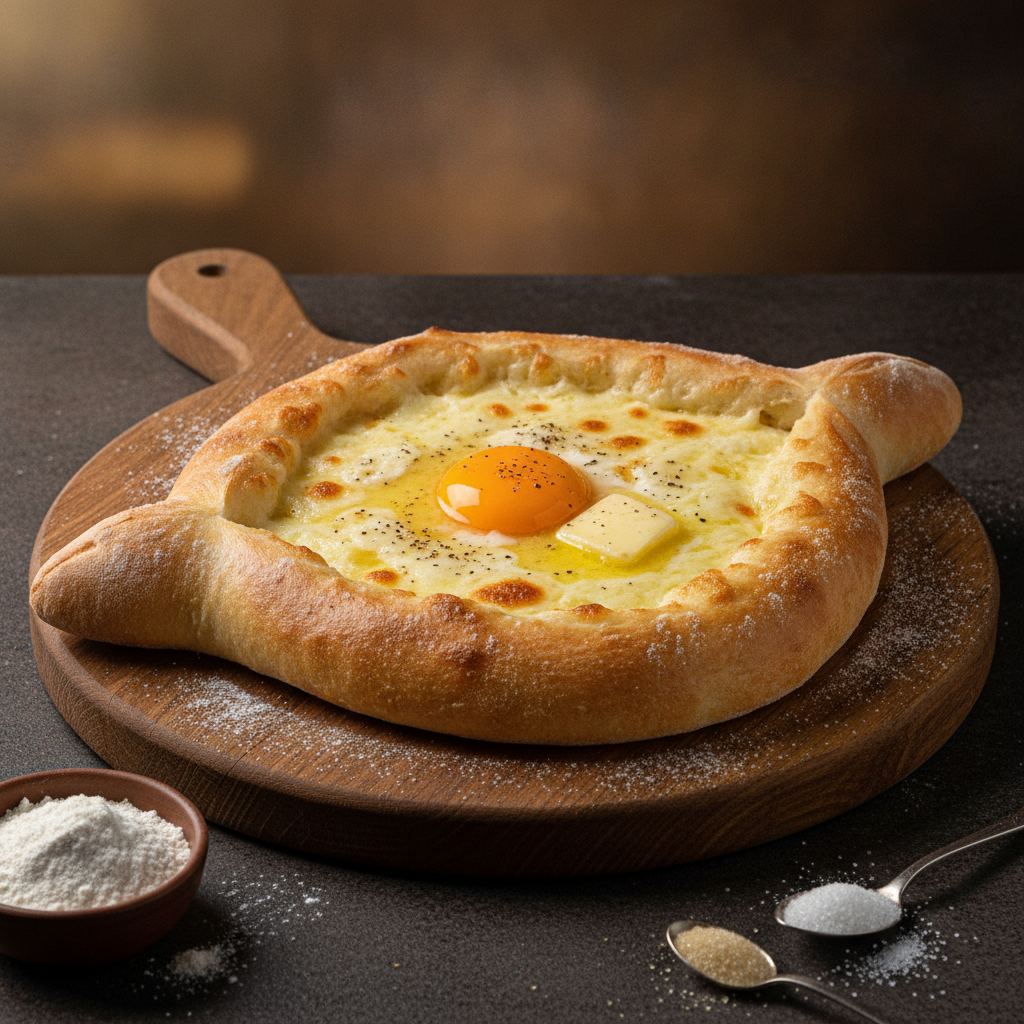
This boat-shaped yeast bread from Georgia is baked with fresh cheese and finished with a raw egg yolk and butter just before serving. It highlights the Caucasus tradition of rich dairy combined with simple, well-fermented dough. Making it teaches how high heat and simple assembly create pure comfort food.
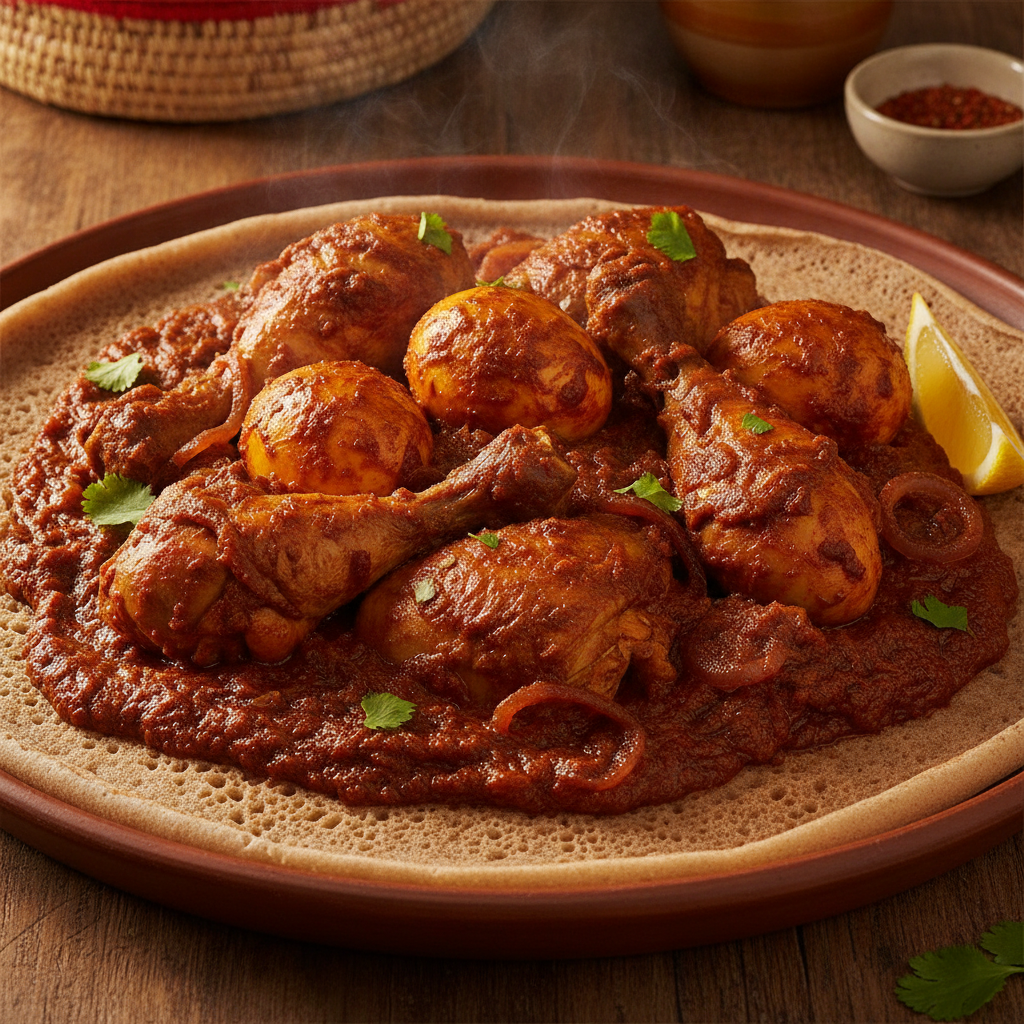
Doro Wat is a slow-cooked Ethiopian chicken stew defined by caramelized red onions, spiced butter, and berbere seasoning. The dish delivers a deep warmth that relies on patience rather than heavy cream or starch thickeners. It shows how low heat transforms humble aromatics into a rich, fragrant sauce.
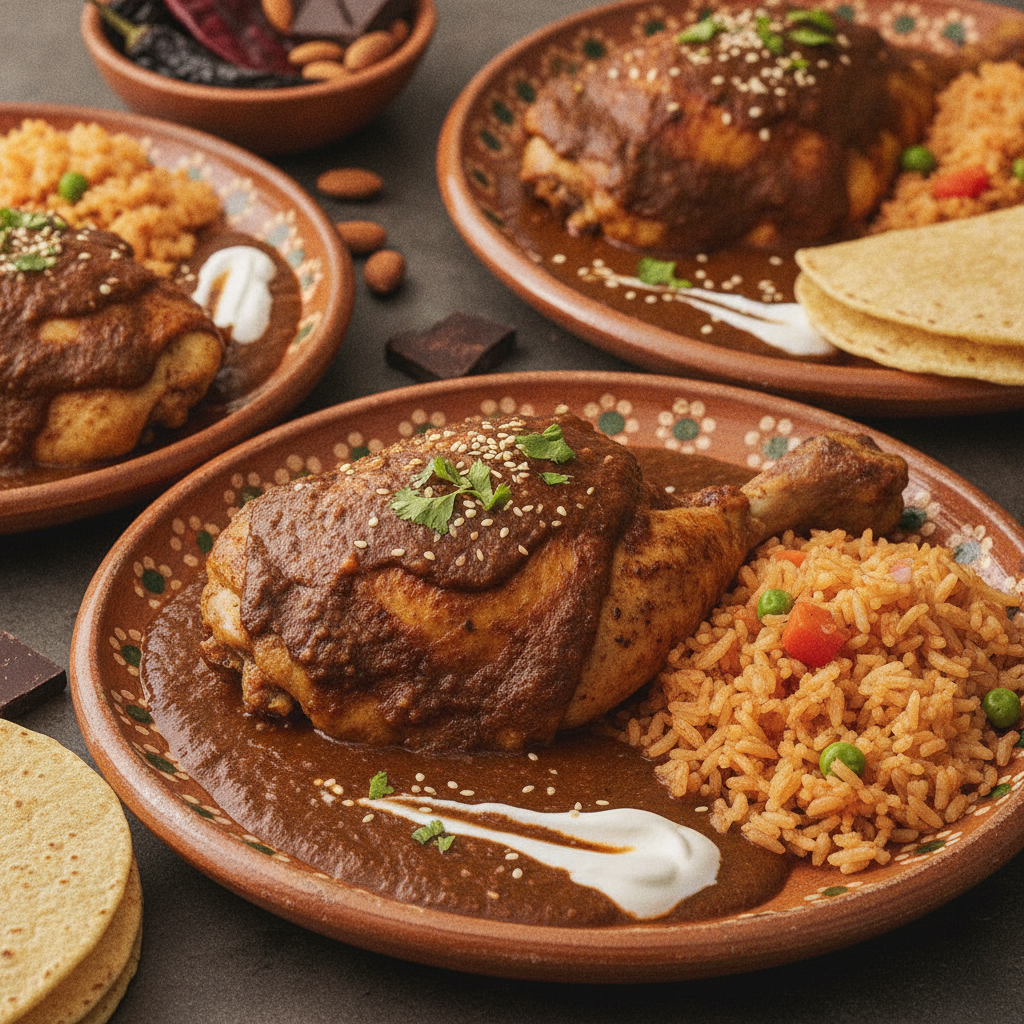
This classic central Mexican sauce combines dried chili peppers, nuts, seeds, spices, and a small touch of dark chocolate. It is a masterpiece of balance where heat, bitterness, sweetness, and savoriness intersect without any single flavor dominating. Cooking it reveals how layering charred and toasted ingredients creates extraordinary depth.
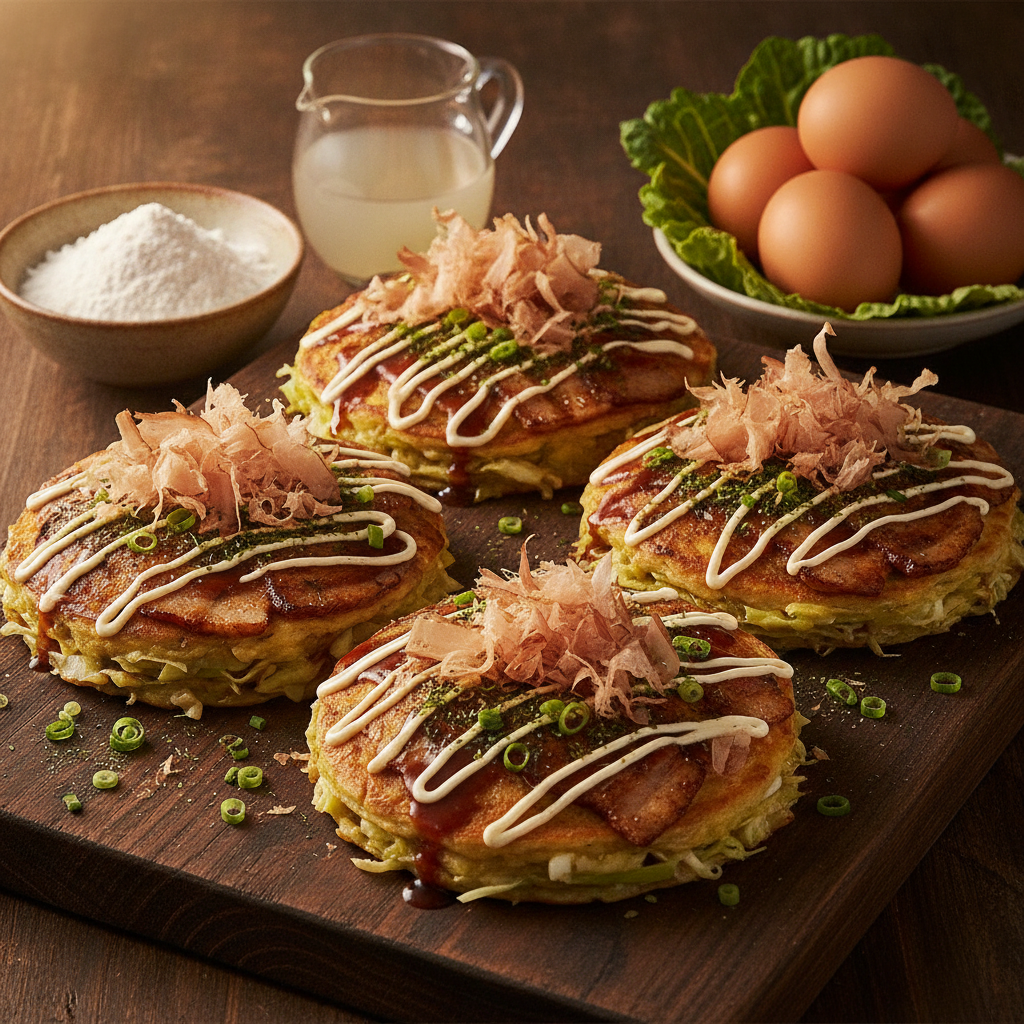
A savory Japanese cabbage pancake, okonomiyaki is built on a light batter folded with shredded vegetables and cooked on a hot skillet. It is finished with sweet brown sauce, mayonnaise, dried seaweed, and dancing bonito flakes. It demonstrates how humble staple vegetables can be transformed into a texturally rich meal.
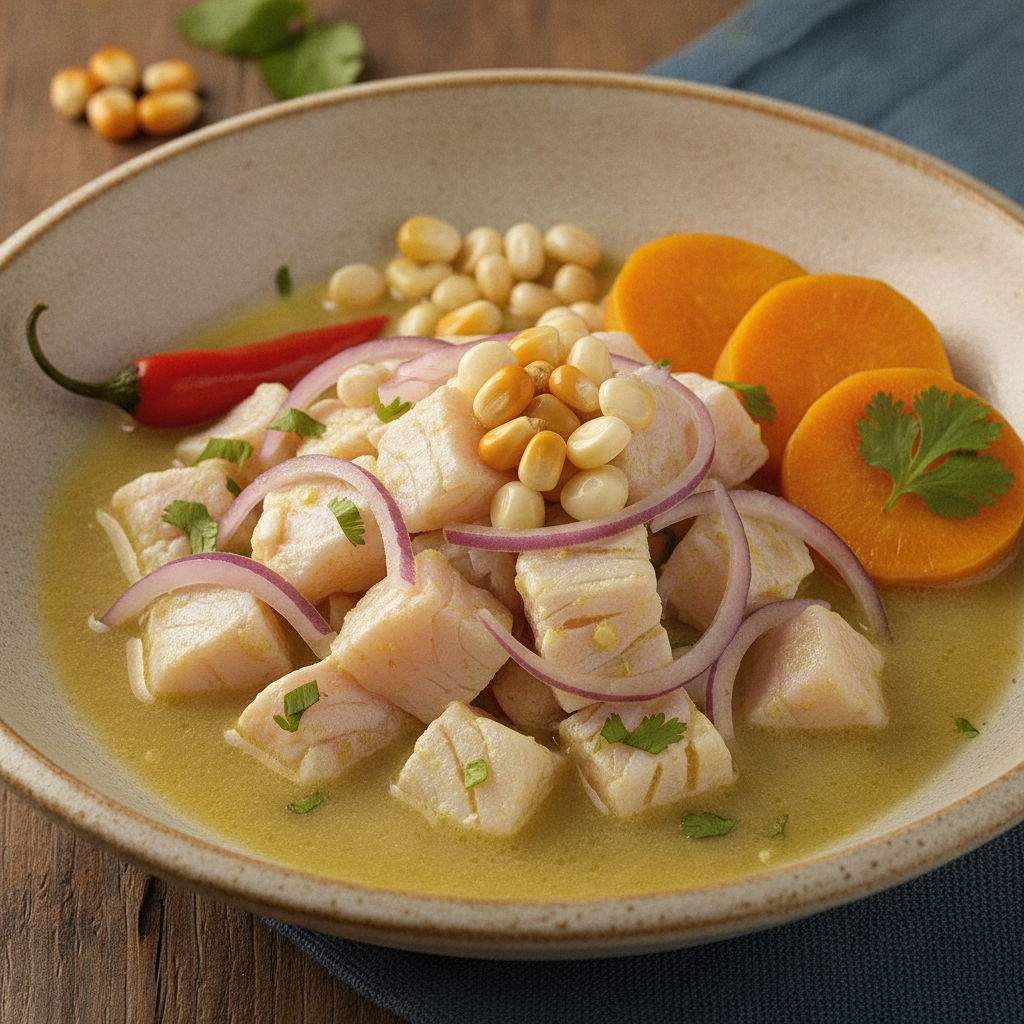
Peruvian ceviche relies on fresh white fish cured rapidly in fresh lime juice, tossed with red onion, hot peppers, and cilantro. The acid transforms the texture of the raw seafood in minutes, creating a crisp, bright dish balanced by sweet potato and corn. It is the definitive lesson in acid-based curing and cold preparation.
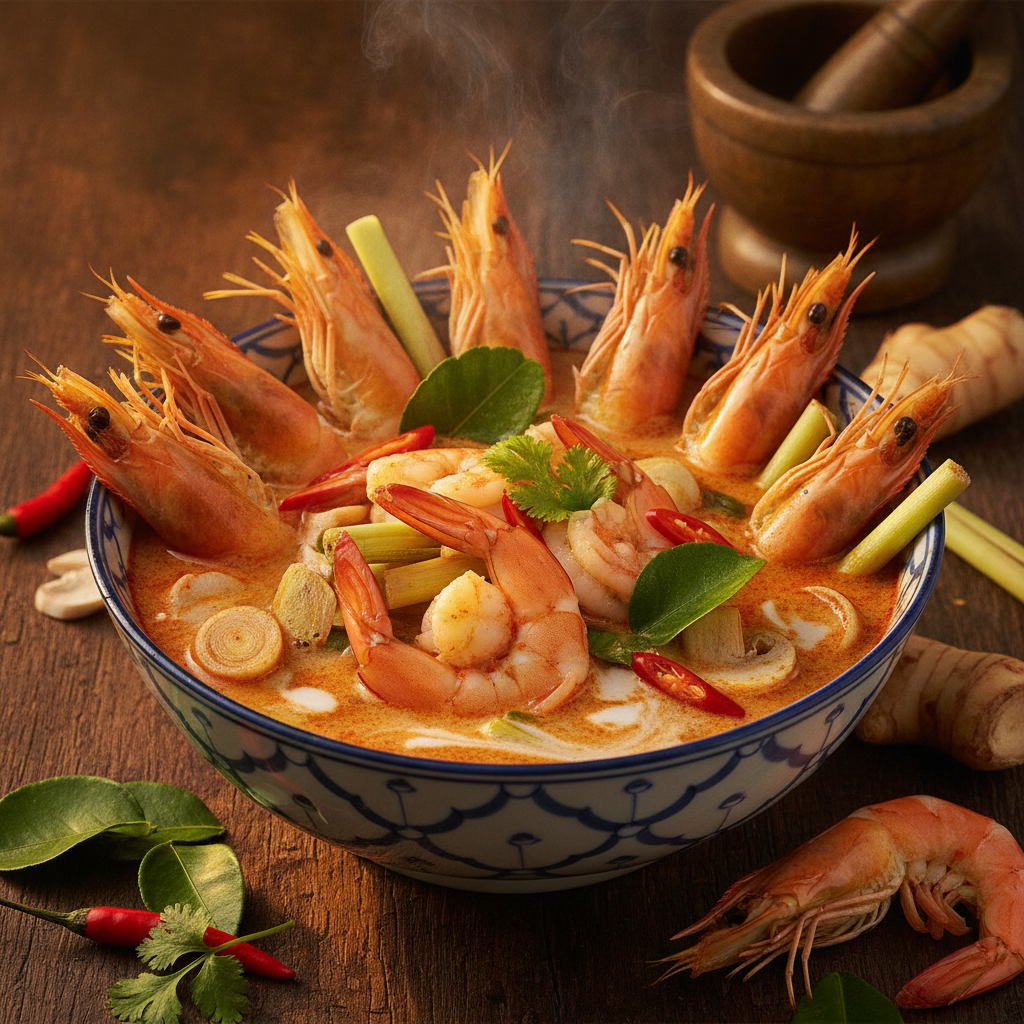
This Thai hot and sour soup blends lemongrass, galangal, lime leaves, fish sauce, and chilies around fresh shrimp. It hits almost every taste receptor simultaneously, balancing sharp acidity with piercing heat and herbal fragrance. It is an essential study in how fresh aromatics can create intensely flavored broths without long simmer times.
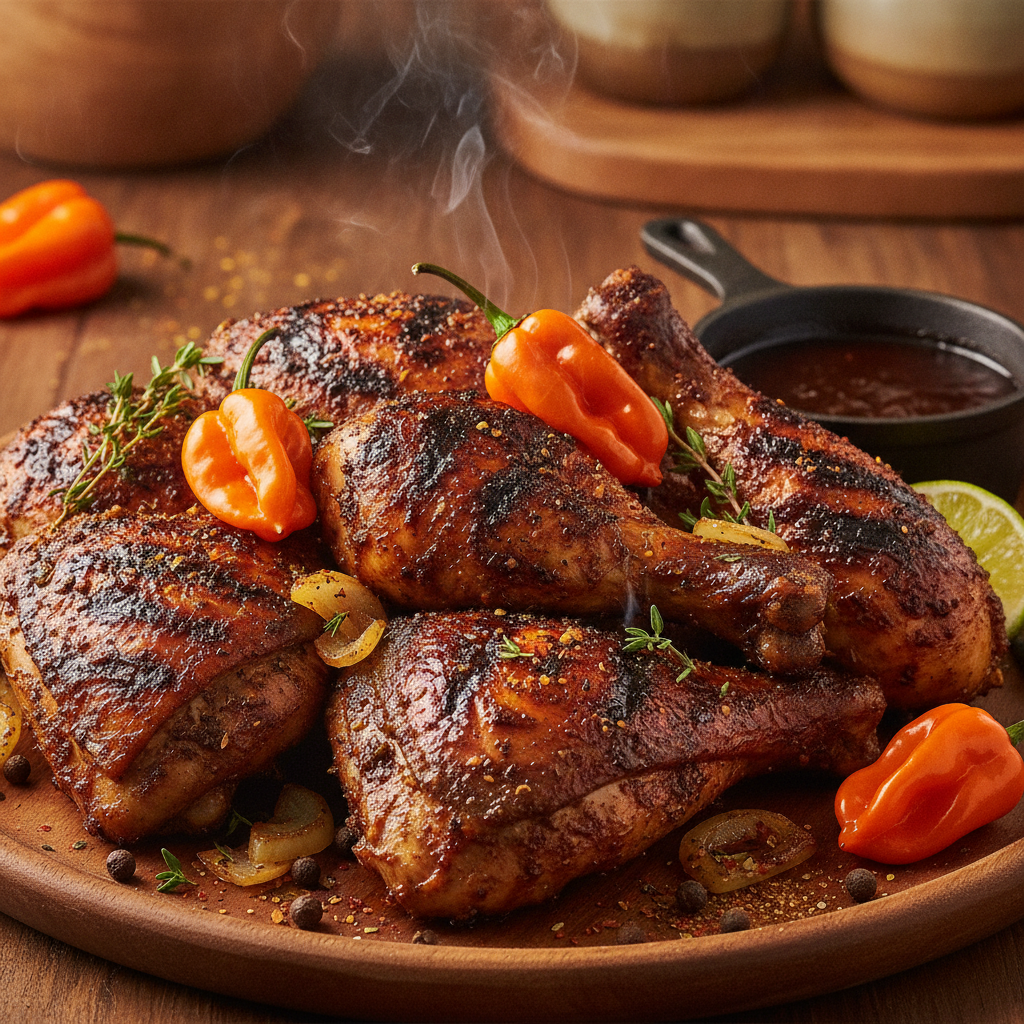
Jerk chicken is marinated in a pungent paste of allspice berries, scotch bonnet chilies, thyme, scallions, and garlic before grilling over wood. The result is a combination of botanical sweetness, wood smoke, and immediate heat that penetrates deep into the meat. It showcases the bold power of island spice rubs and high-heat live fire cooking.
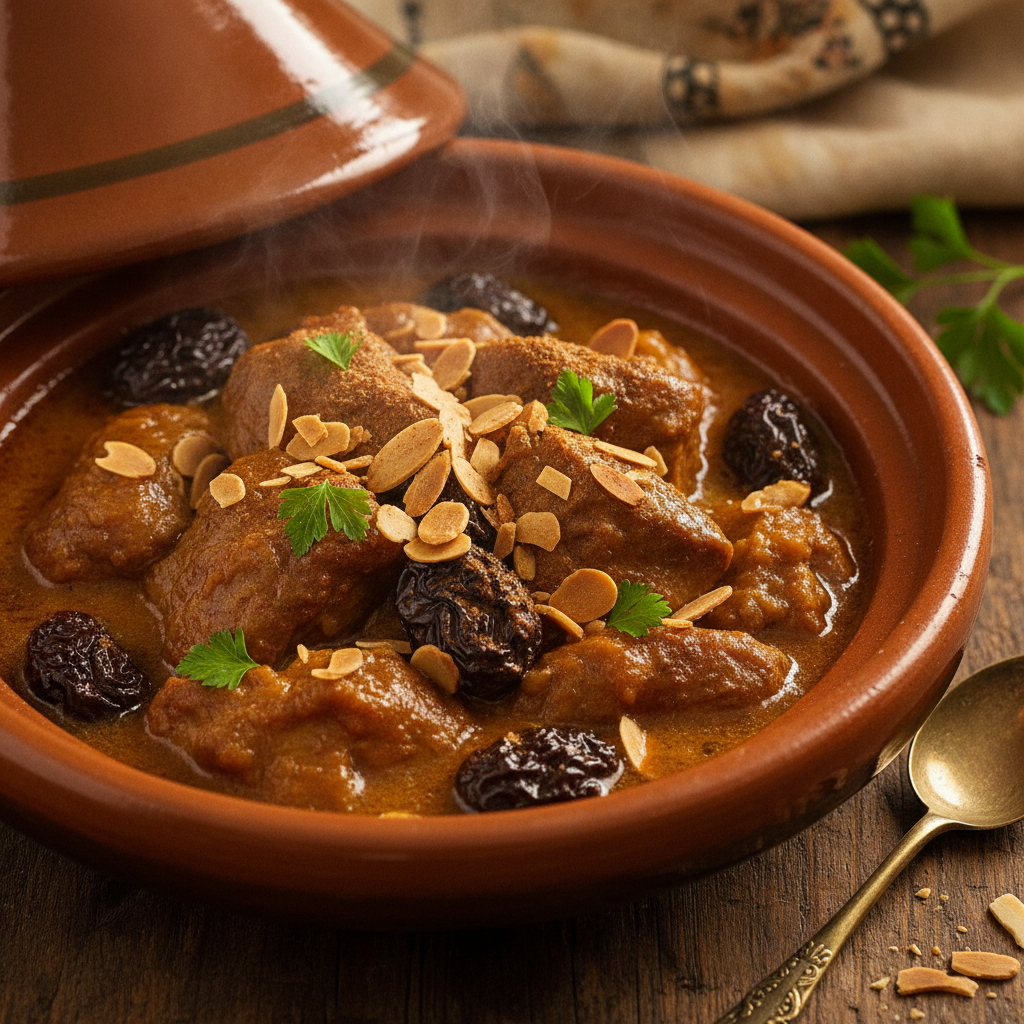
This Moroccan stew cooks tough cuts of meat slowly in a clay vessel with warm spices like cinnamon, ginger, and saffron alongside dried fruit. The steam condenses inside the cover, basting the meat as the fruit dissolves into a sweet and savory glaze. It is an ideal introduction to combining savory proteins with dried fruits and gentle spices.
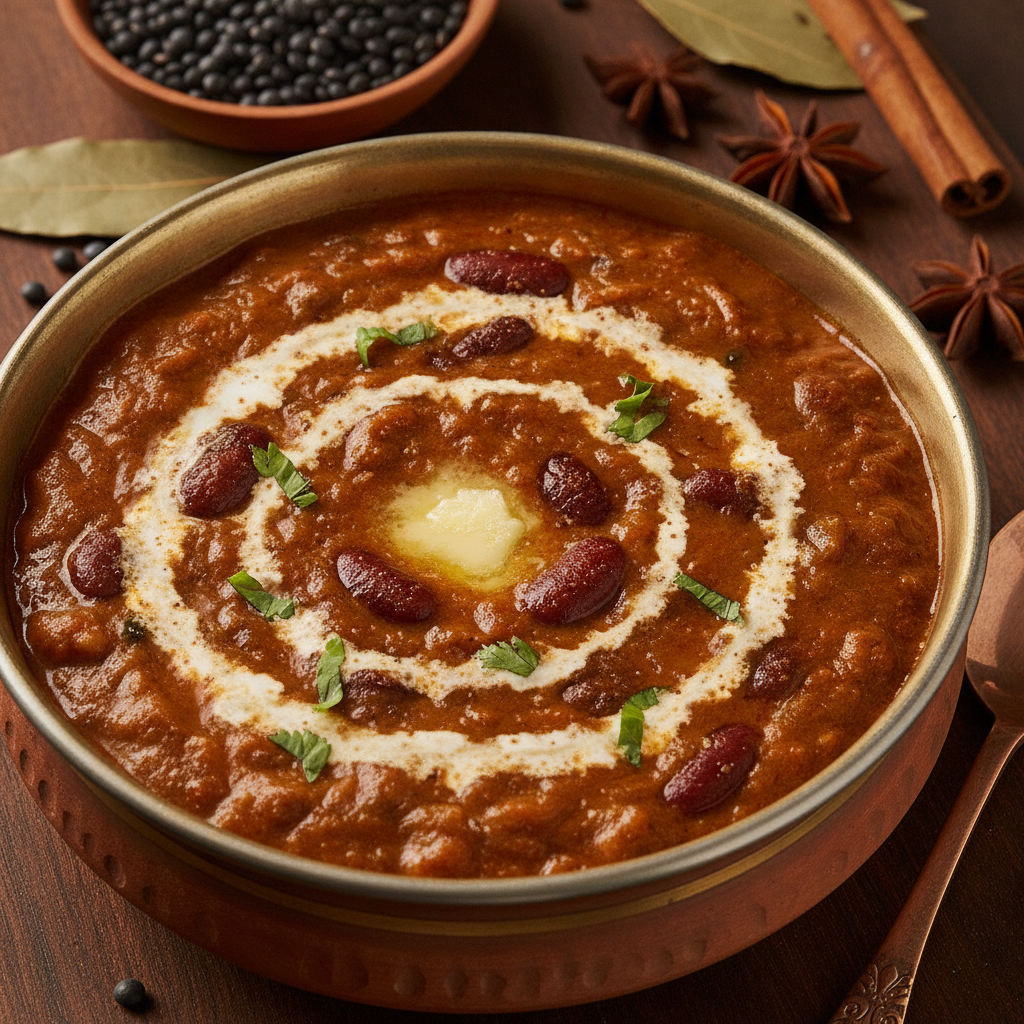
A staple of North Indian cuisine, dal makhani slow-simmers black lentils and kidney beans with butter, tomatoes, and aromatic spices. The long cooking time breaks down the legumes into a velvety stew with a subtle smoky undertone. It demonstrates how patience and low temperature can make legumes as satisfying as any meat-based stew.
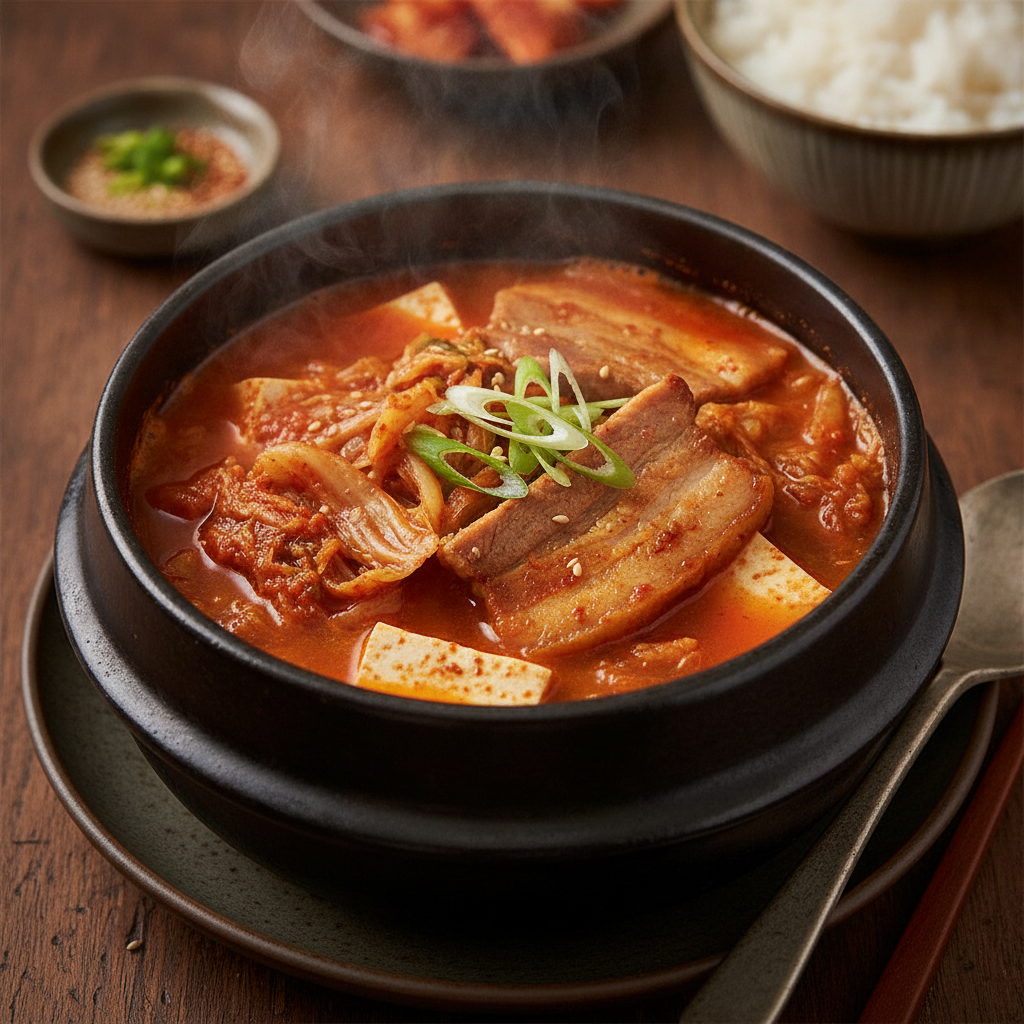
Kimchi jjigae is a fiery Korean stew made by simmering well-aged kimchi with pork, tofu, scallions, and chili paste. As the fermented cabbage cooks down, its sharp acidity softens into a rich, deeply savory broth. It illustrates the culinary power of using well-fermented ingredients as an instant flavor shortcut.
While these recipes come from vastly different regions, they all rely on precise balance—balancing fat with acid, heat with sweetness, or patience with high heat. Mastering a few of these signature profiles helps demystify global pantries and equips you to bring bolder flavors into everyday meals. Choose one that uses a technique or ingredient profile you find unfamiliar, and start there.
Open Crave It!