The Art of the Egg-Sauced Pasta
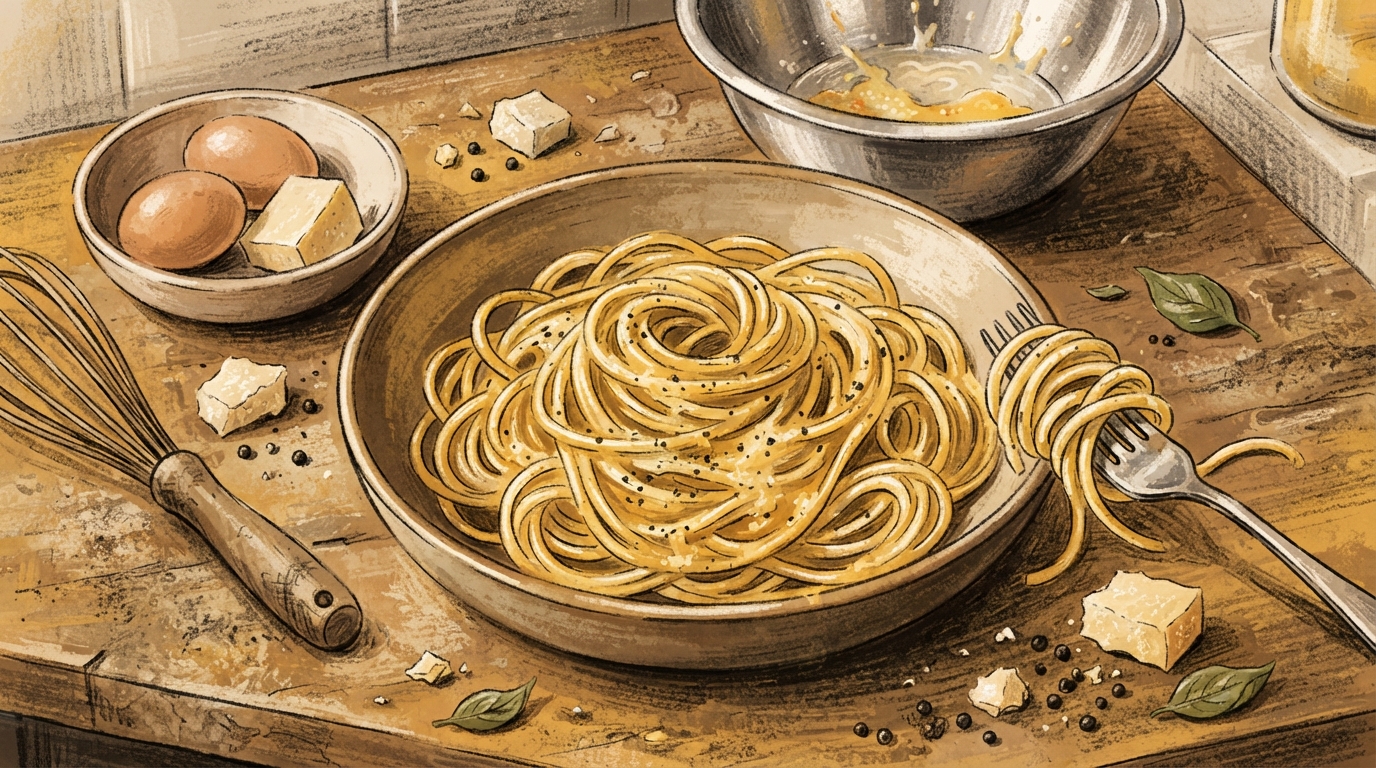
Recipe IdeasRaw eggs whisked with grated hard cheese form one of the most efficient sauce delivery systems in Italian cooking. When beaten together off the heat and combined with hot pasta and starchy cooking water, the egg proteins uncoil and gently trap droplets of liquid fat without scrambling. The result is a glossy, rich coating achieved without a splash of heavy cream.
The key to controlling the temper lies in residual heat management. Mixing the eggs and cheese in a bowl away from direct stovetop flame keeps the temperature below sixty-five degrees Celsius, which is the point where yolk proteins set firm. Starchy pasta water thins the mixture, relaxing the cheese into a smooth emulsion that coats every strand.
Across central and southern Italy, this technique underpins classic regional dishes and modern seasonal variations alike. Mastering the basic temper opens up a flexible framework for building instant weeknight sauces using cured meats, autumn vegetables, or pantry staples.
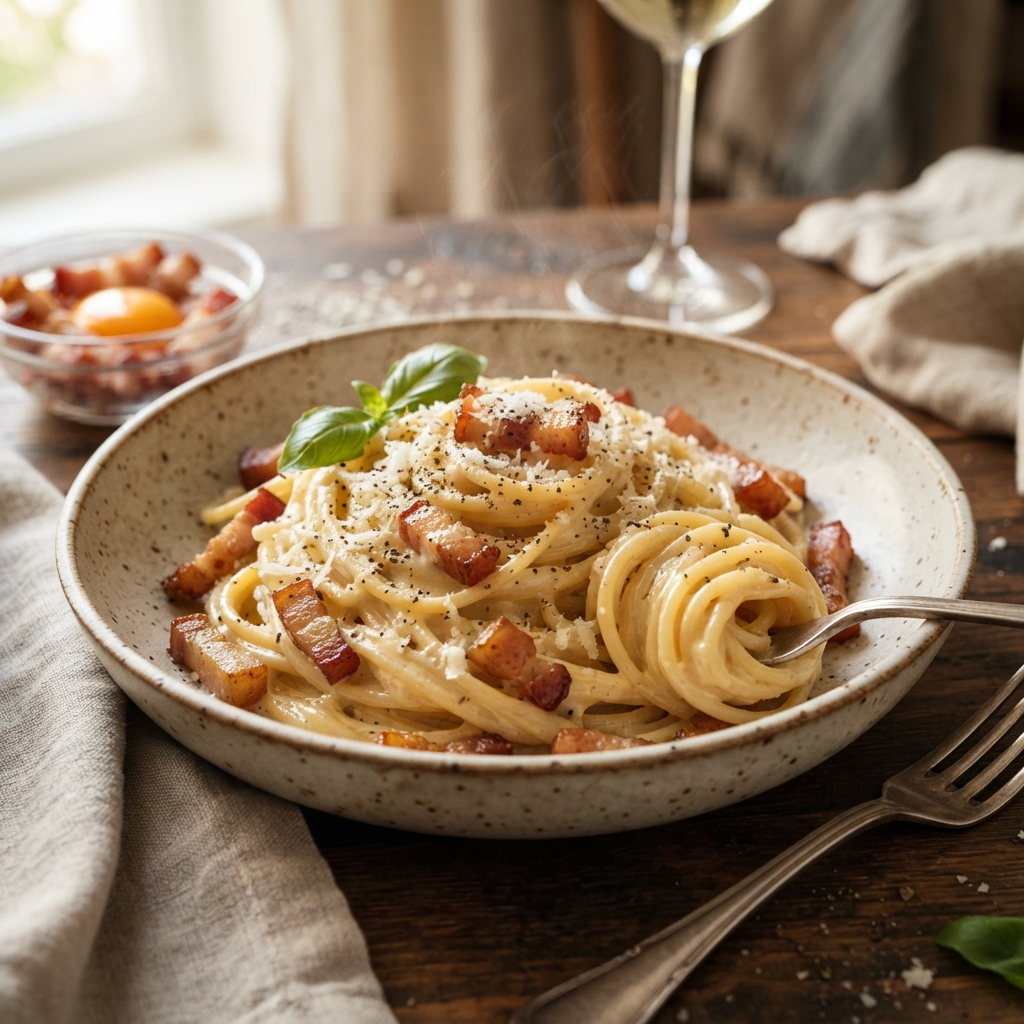
This Roman classic relies on beaten whole eggs and extra yolks emulsified with rendered guanciale fat and finely grated Pecorino Romano. The warm fat and starchy cooking water temper the egg mixture into a velvety glaze that coats the hot pasta strands. It is worth making because it demonstrates how three basic pantry items can create a luxury sauce through heat control alone.
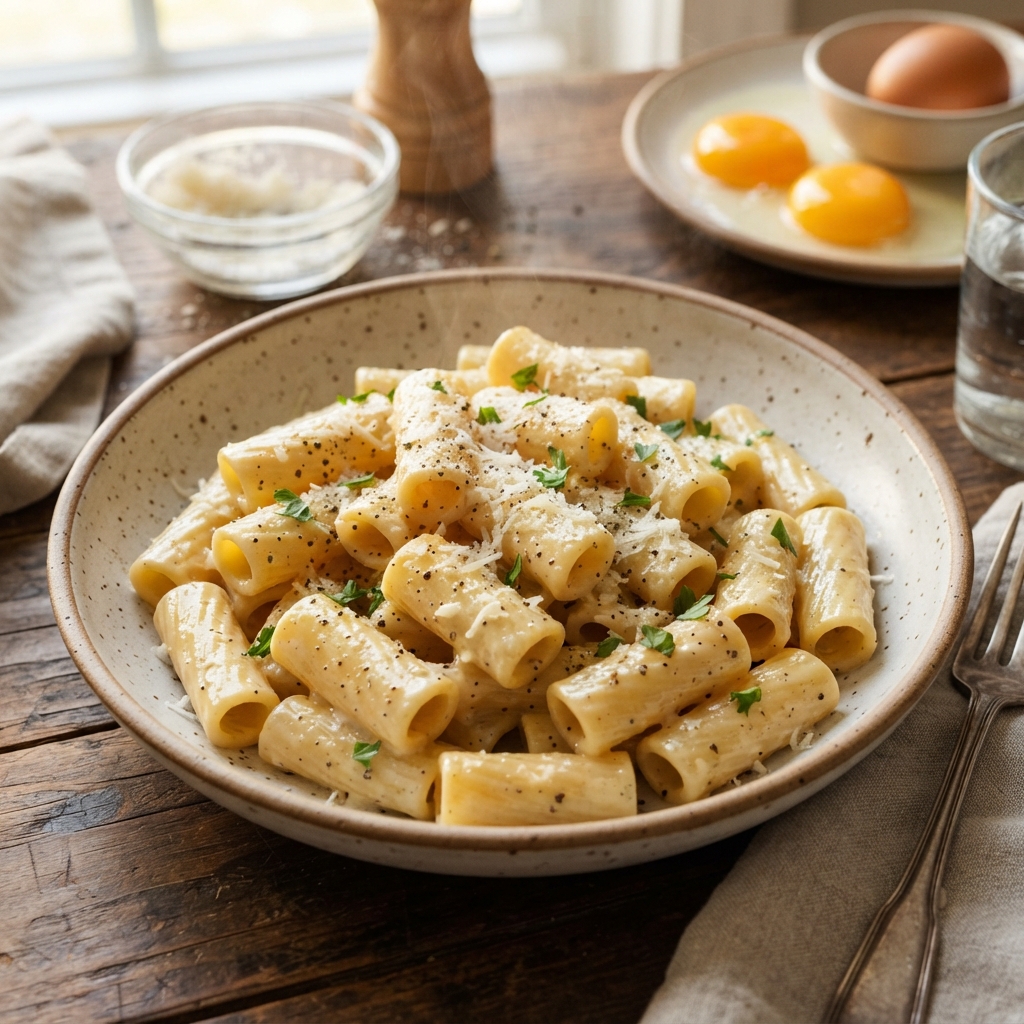
Originating in Campania and Abruzzo, this dish pairs whisked eggs and grated sheep or cow cheese directly with hot pasta, omitting cured meats entirely. Freshly cracked black pepper and chopped parsley finish the pan, letting the custard-like emulsion highlight the sharp cheese. It is an ideal fast meal that turns basic dry pasta into a comforting dinner in minutes.
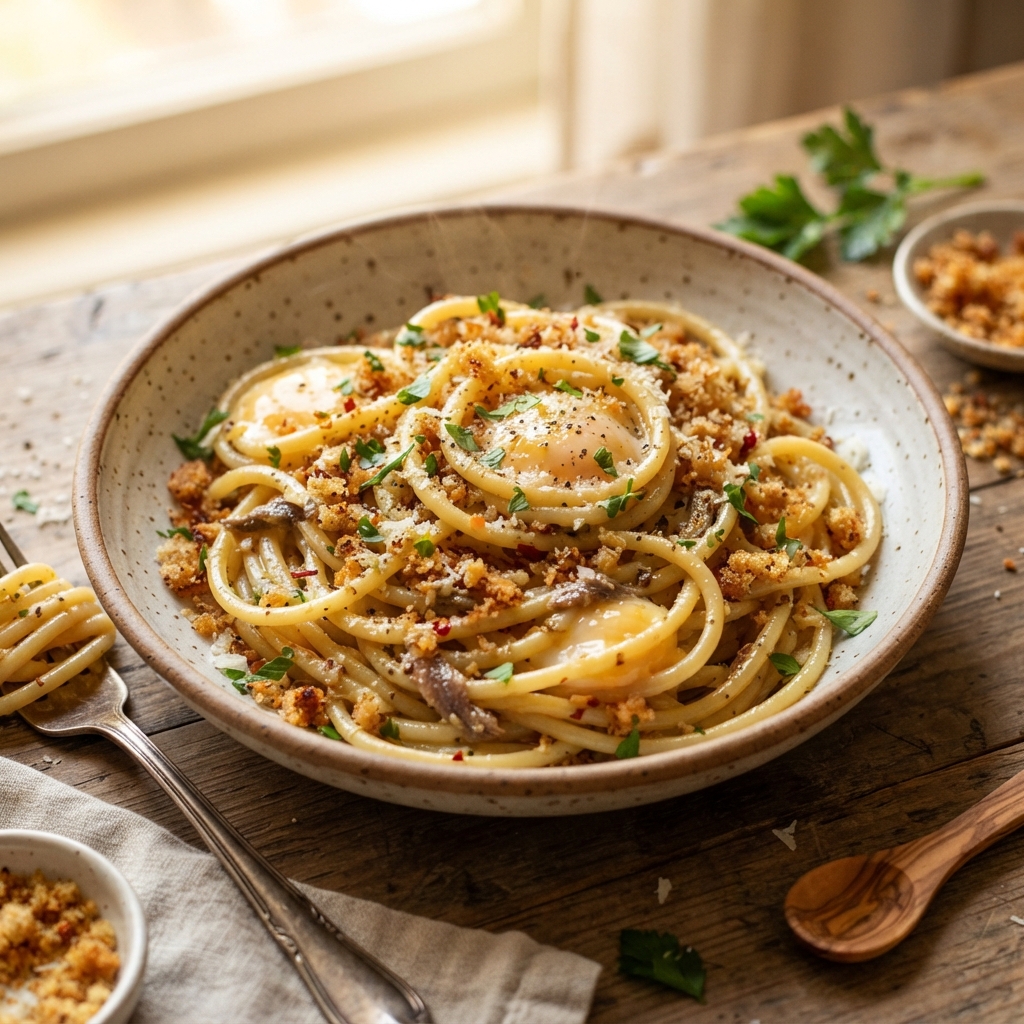
Hailing from Basilicata, this rural dish combines whisked egg and cheese with coarse breadcrumbs fried in olive oil. The egg binds the crunchy breadcrumbs and hot pasta water together into a savory, textured coating seasoned with garlic and chili. It offers a unique interplay between a smooth emulsion and crispy toasted grain.
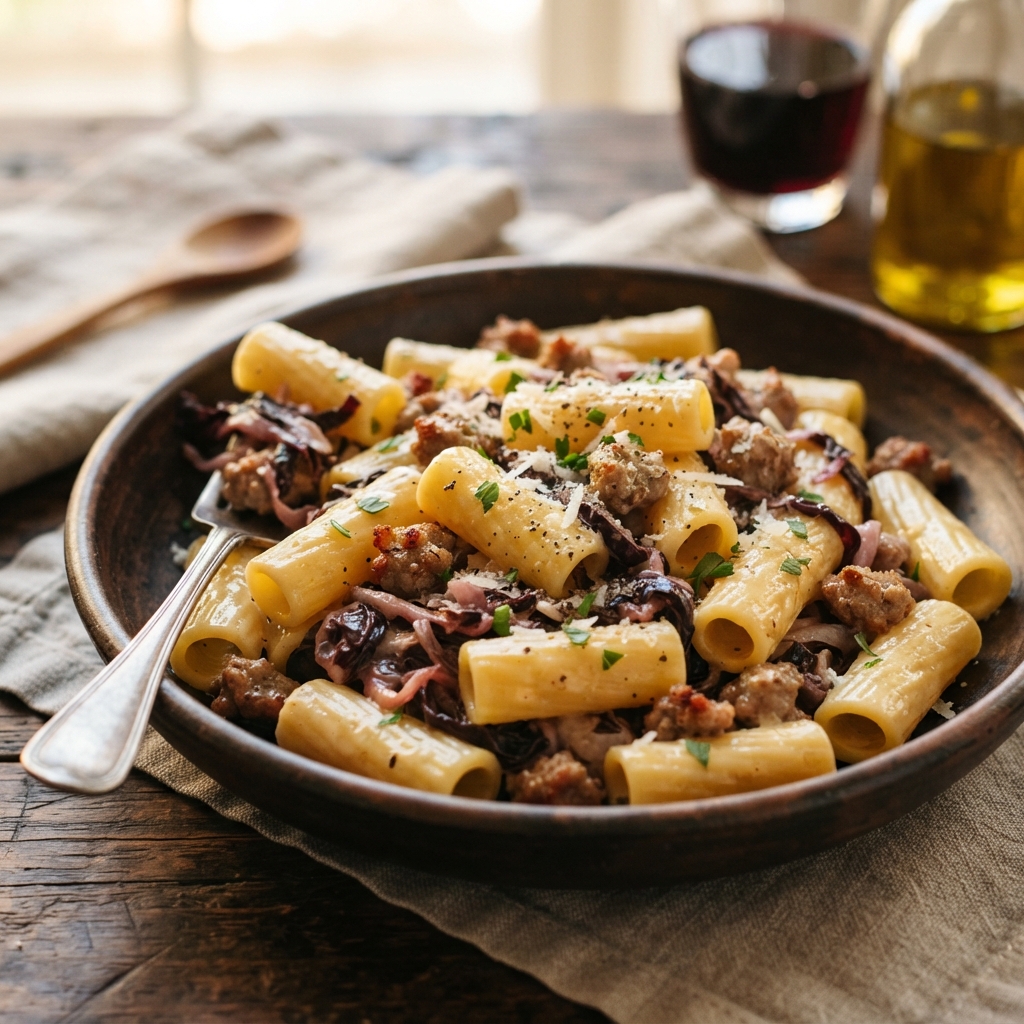
This northern variation replaces cured pork jowl with pan-seared fresh sausage and thinly sliced radicchio. The residual heat softens the bitter greens while the egg and cheese mixture mellows the sweet, herbal notes of the sausage. It shows how the traditional egg technique balances strong, contrasting vegetal flavors.
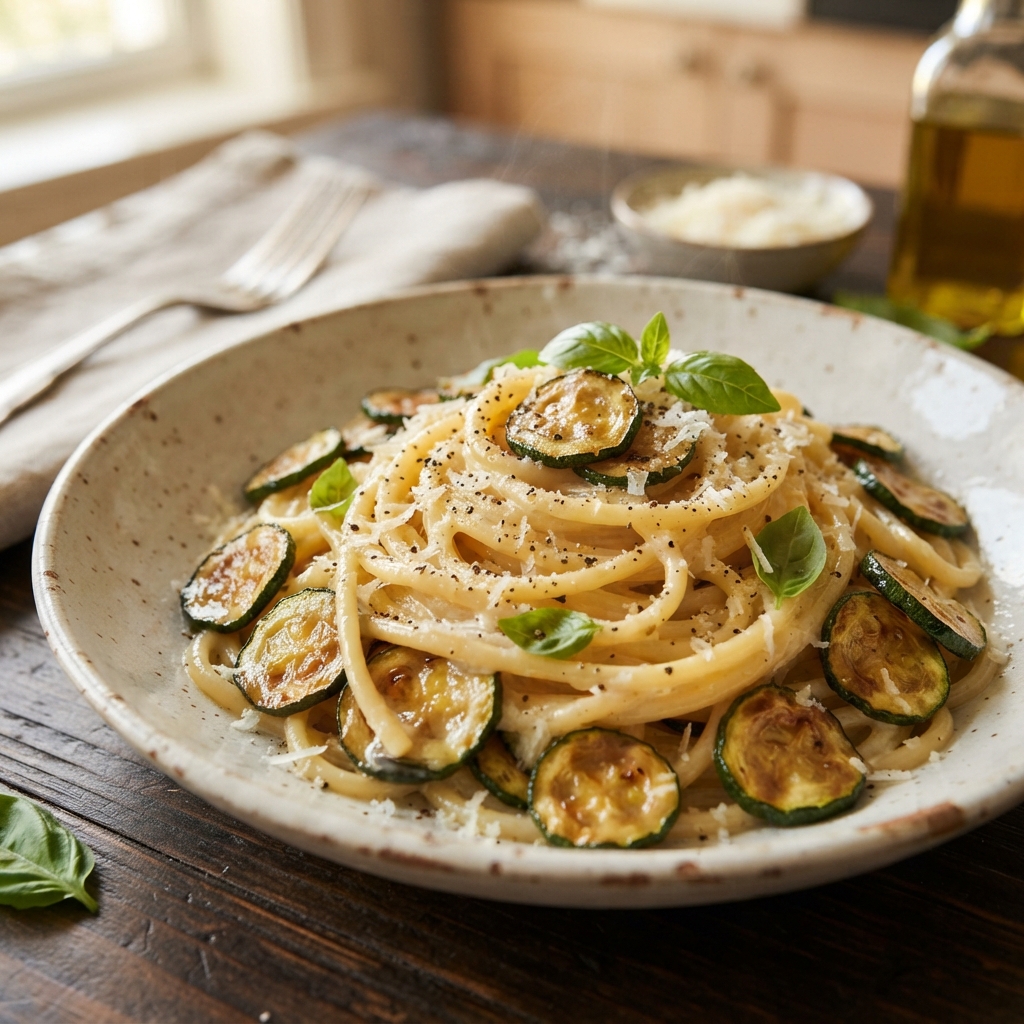
A spring and summer staple in rural Lazio, this preparation features thin rounds of zucchini sautéed in olive oil before being tossed with hot pasta and beaten egg. The vegetables release sweet juices into the pan, aiding the egg in creating a light, glossy coating. It proves that egg-based sauces adapt perfectly to sweet, tender garden vegetables.
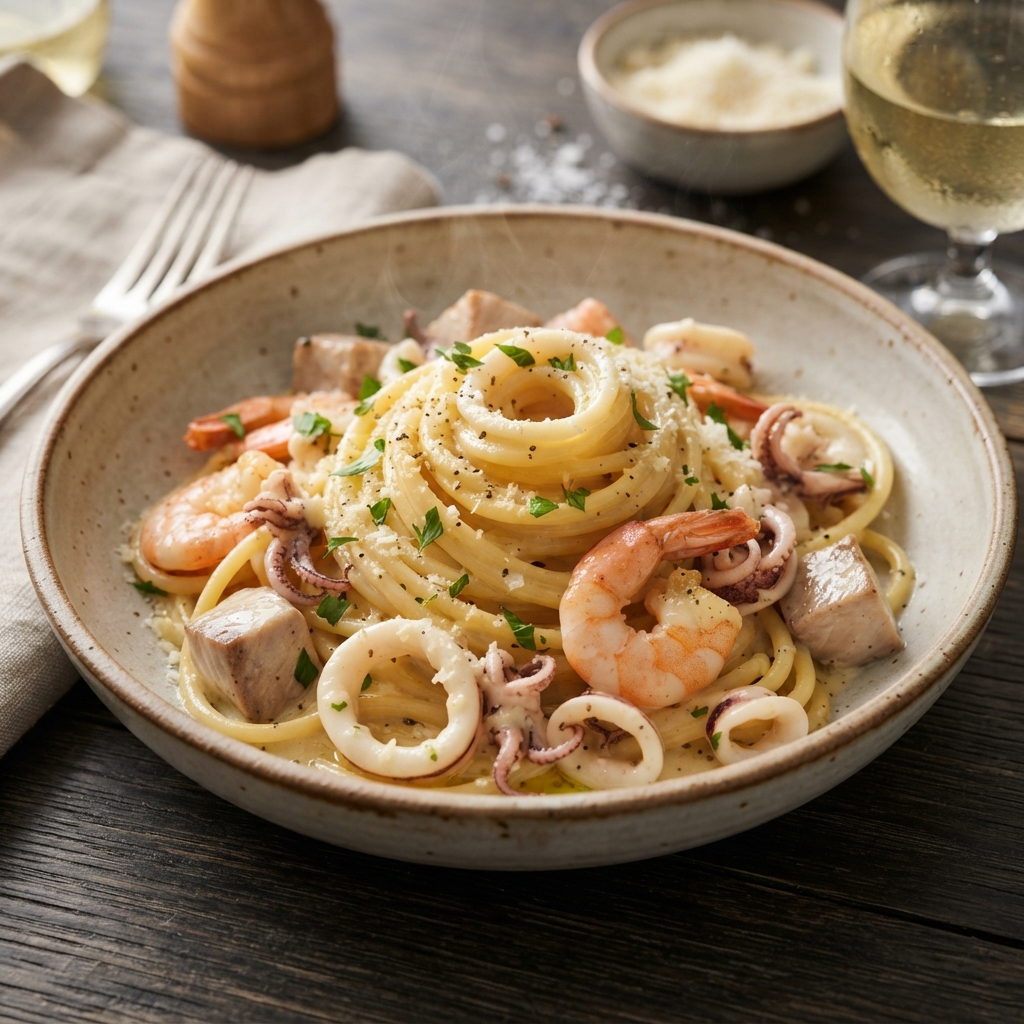
Modern Italian coastal kitchens use raw egg yolks beaten with hard cheese to coat pasta tossed with smoked fish, cured tuna heart, or seared squid. The rich yolk tempers the intense briny flavor of cured seafood while supplying viscosity. It is worth making to see how effectively egg emulsions complement rich oceanic flavors.
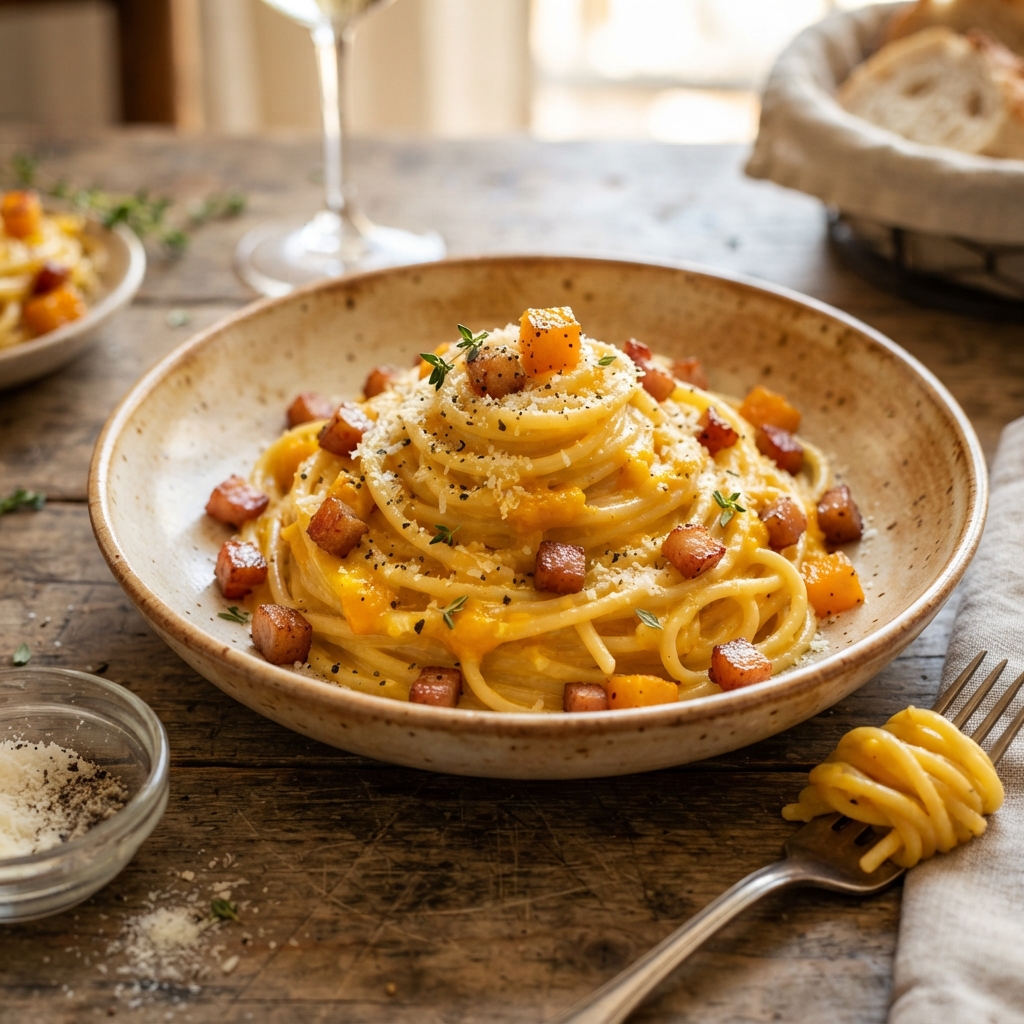
A seasonal autumn adaptation uses roasted squash or sautéed mushrooms tossed into hot pasta alongside the egg and cheese mixture. The earthy, sweet vegetable sugars integrate into the tempered egg coating, creating a savory depth without heavy dairy. It expands the traditional Roman formula into a filling fall dish.
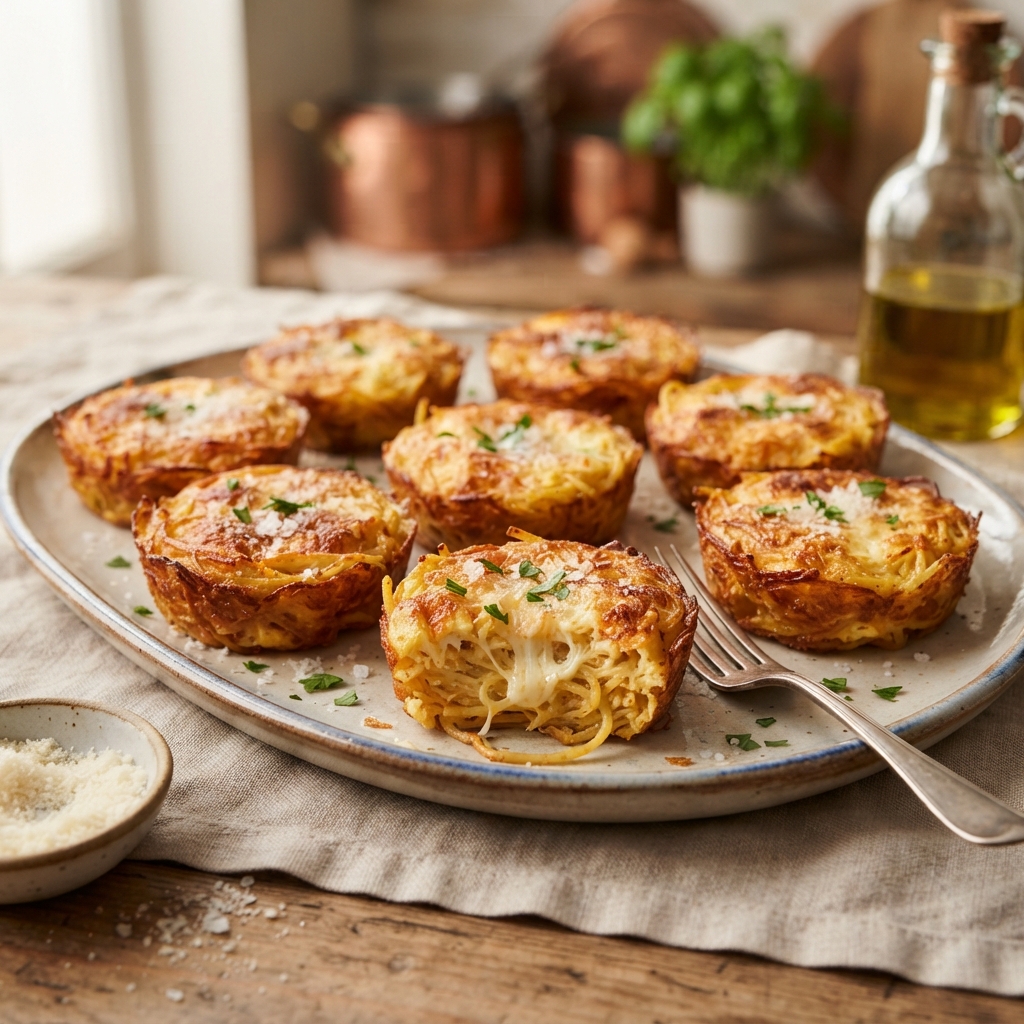
In Neapolitan cuisine, cooked pasta bound with raw egg, cheese, and pepper is cooked in a skillet until crisp on both sides. The egg acts as both sauce and binding matrix, setting into a golden crust while keeping the pasta strands tender inside. It turns cooked leftover noodles into a structured dish with deep roots in regional frugality.
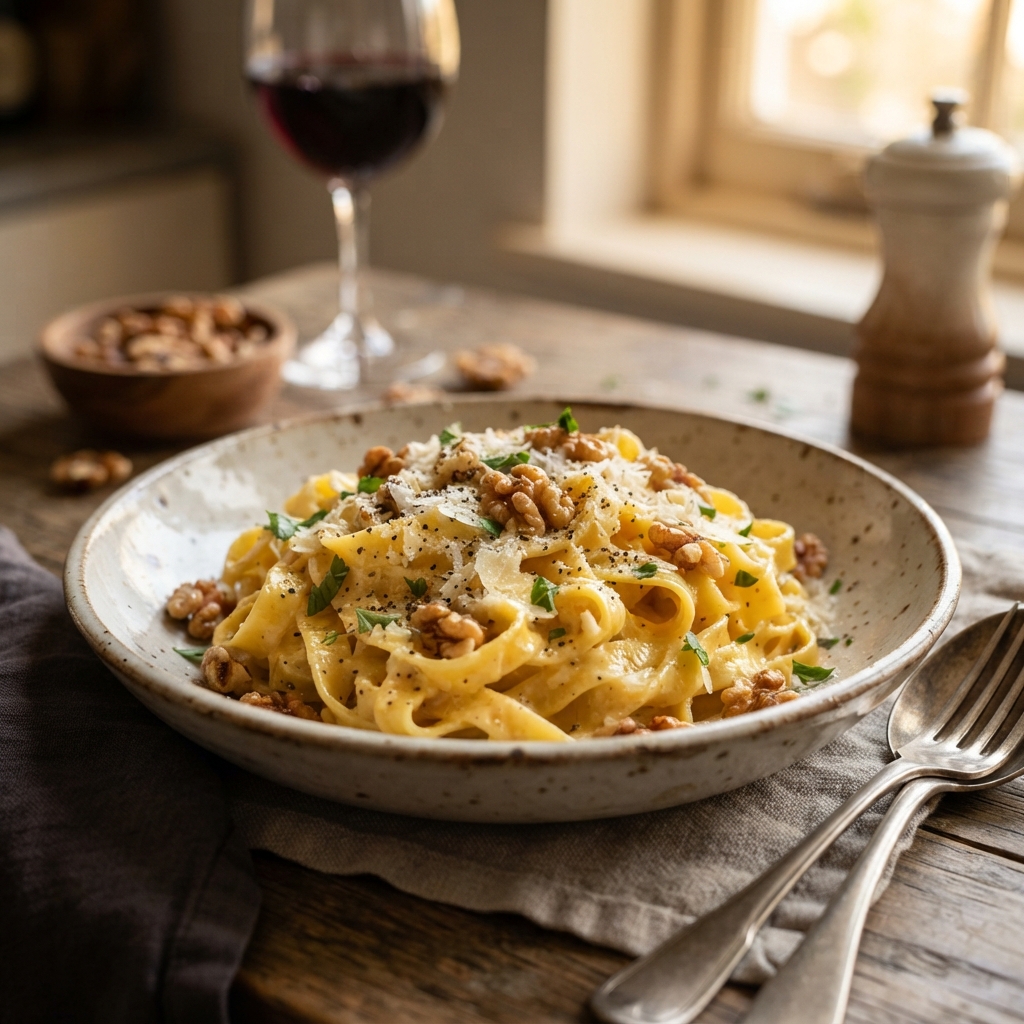
This traditional dish from the mountain regions of central Italy uses crushed walnuts warmed in olive oil before tossing with hot pasta and beaten egg. The fats from the nuts blend into the egg emulsion, producing a rich, fragrant sauce with a subtle crunchy texture. It demonstrates how nuts and egg yolks work together to form a rich pasta coating.
While each variation relies on different additions, they all depend on the same fundamental chemistry between egg yolk, starch, and gentle heat. Understanding how to temper eggs with pasta water gives a cook total freedom to adjust richness and flavor using whatever ingredients are in the kitchen. Whether using classic cured pork or autumn squash, the result is a smooth sauce built entirely from scratch in seconds.
Open Crave It!